Description
WWII Imperial Japanese Type 96 Light Machine Gun – Deactivated Display Set with Bayonet
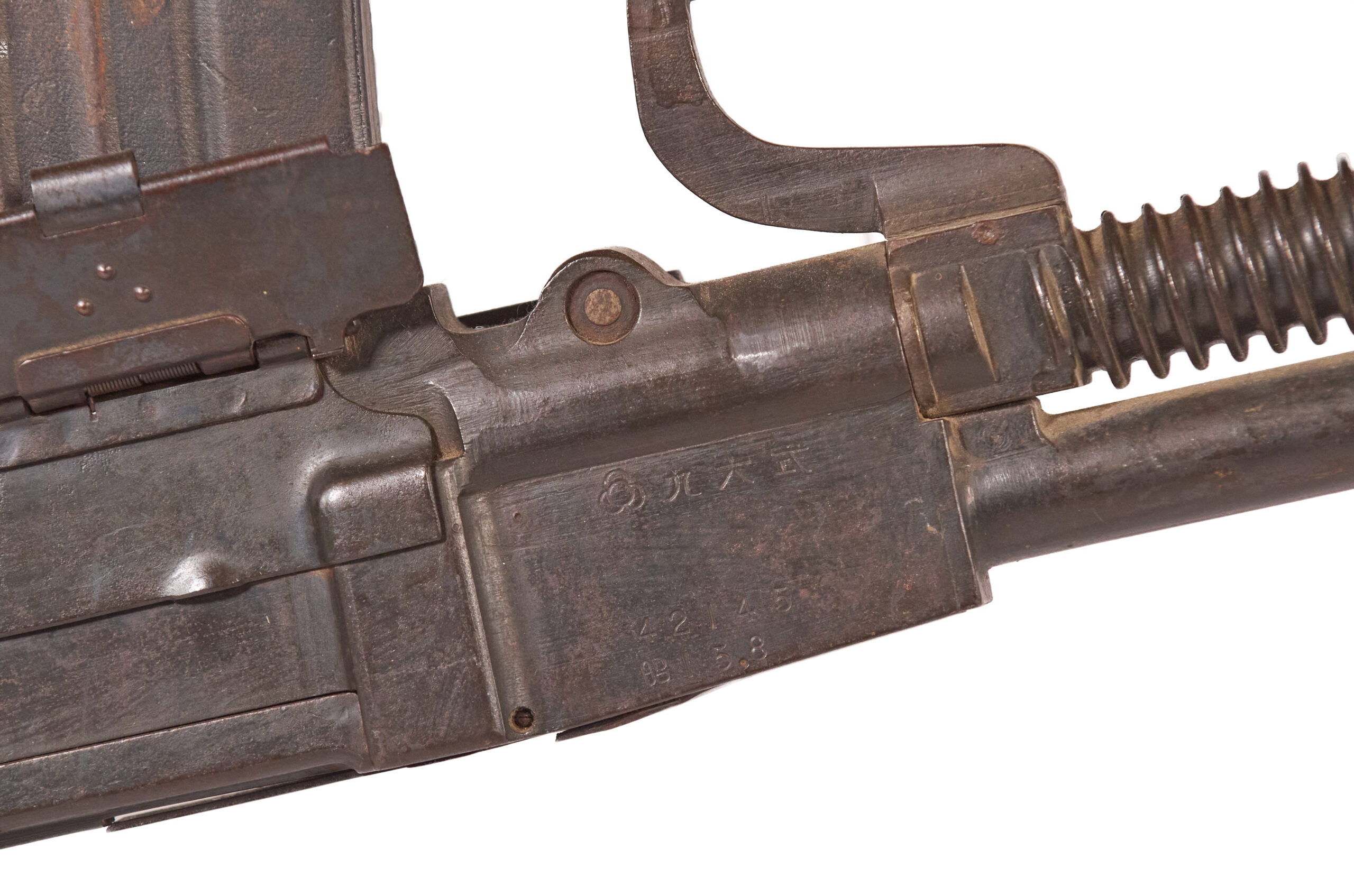
August of 1940 production
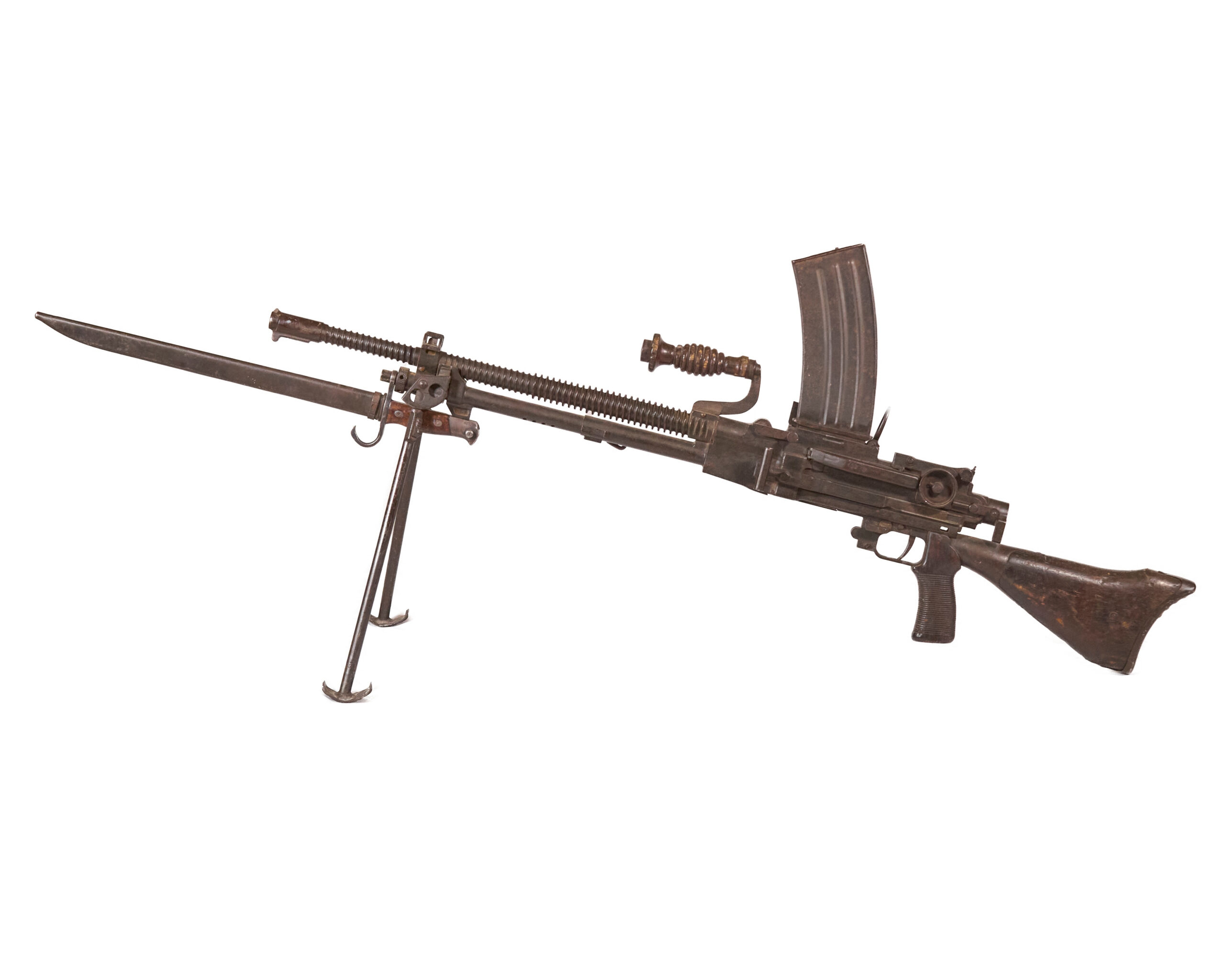
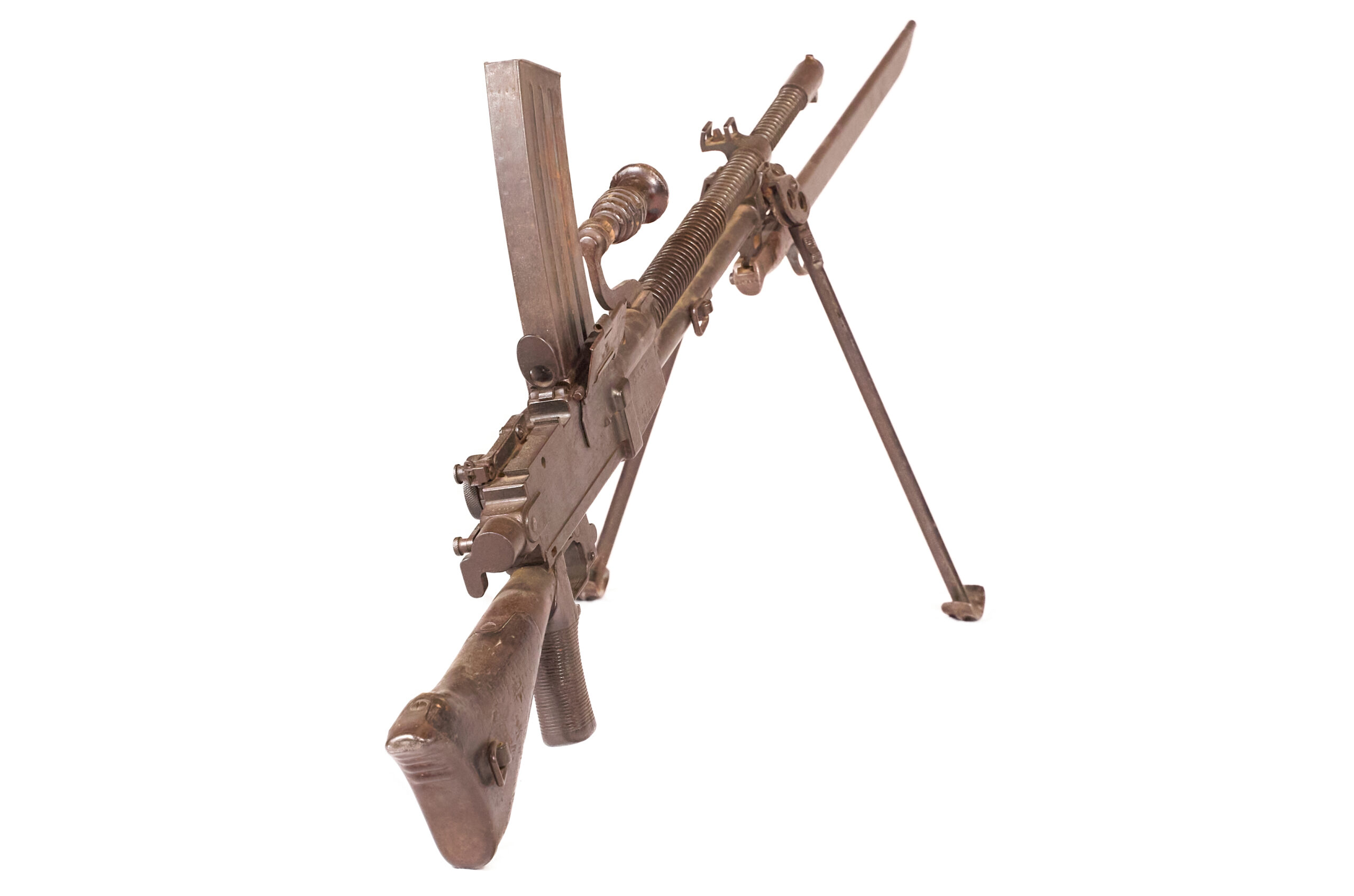
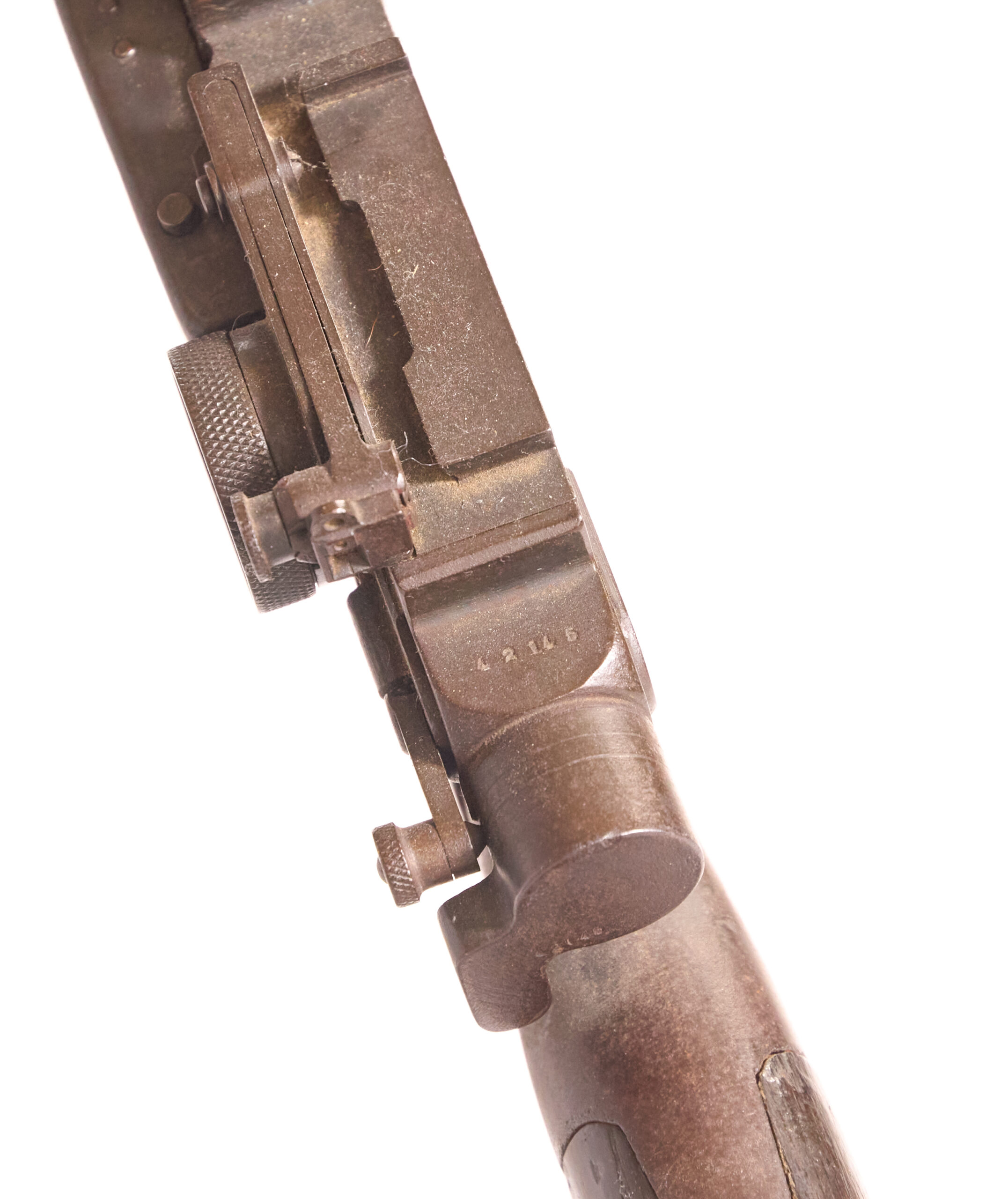
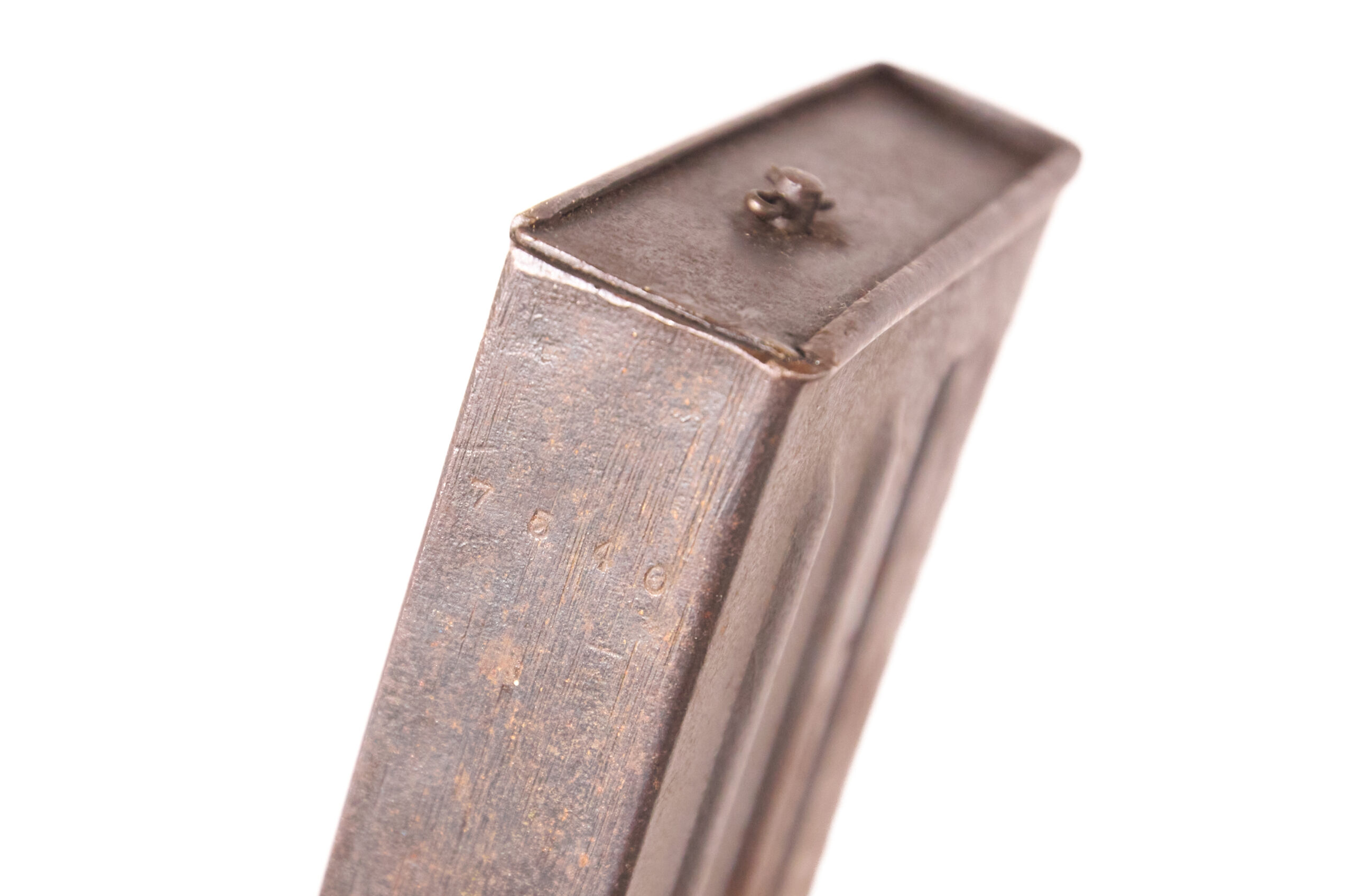
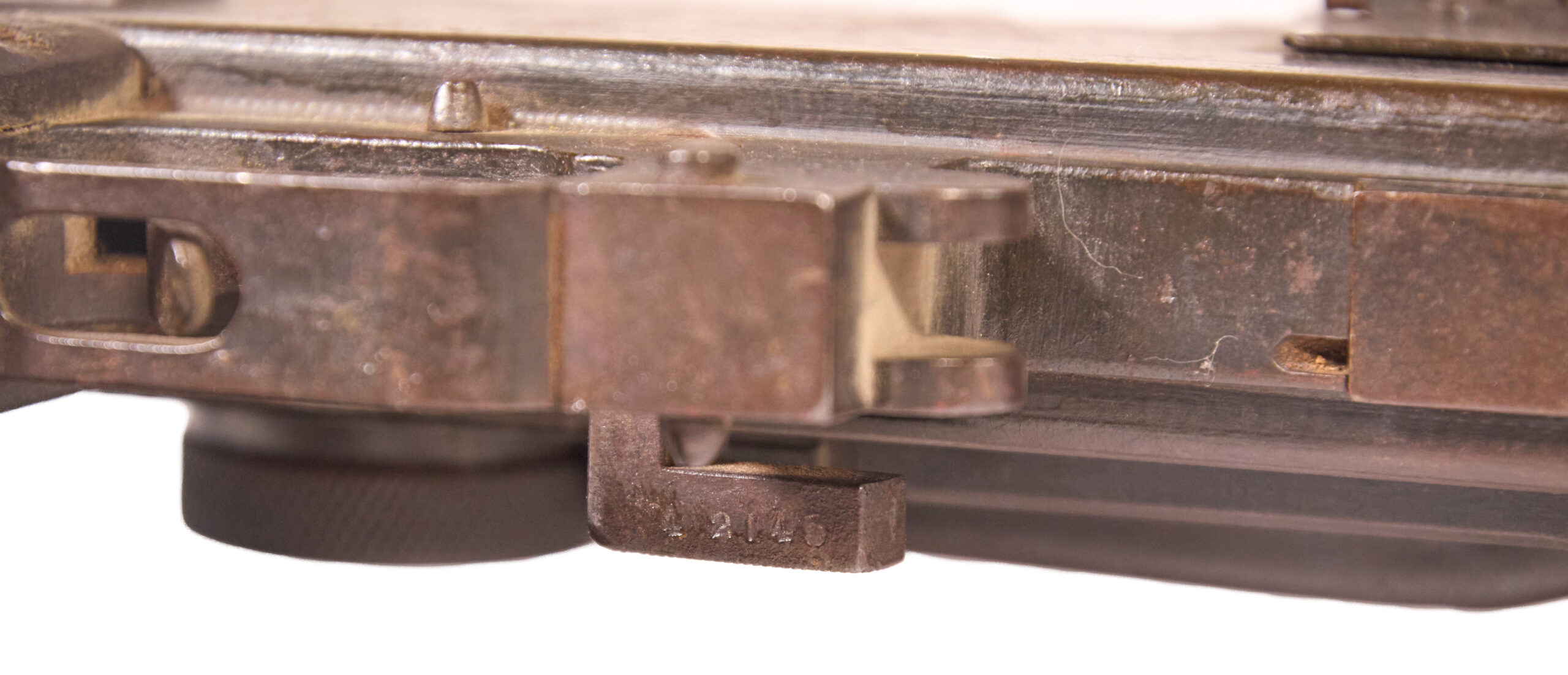
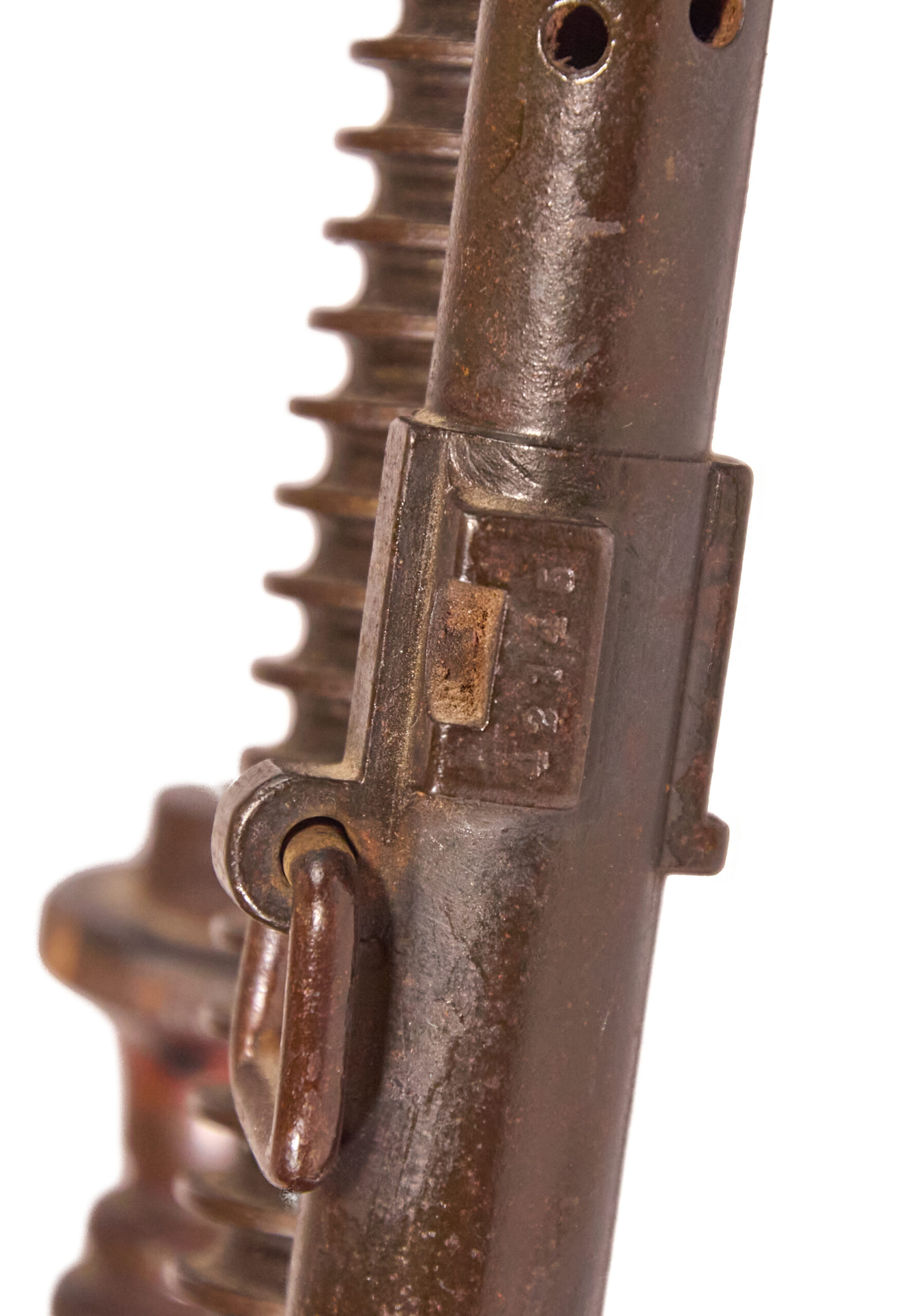
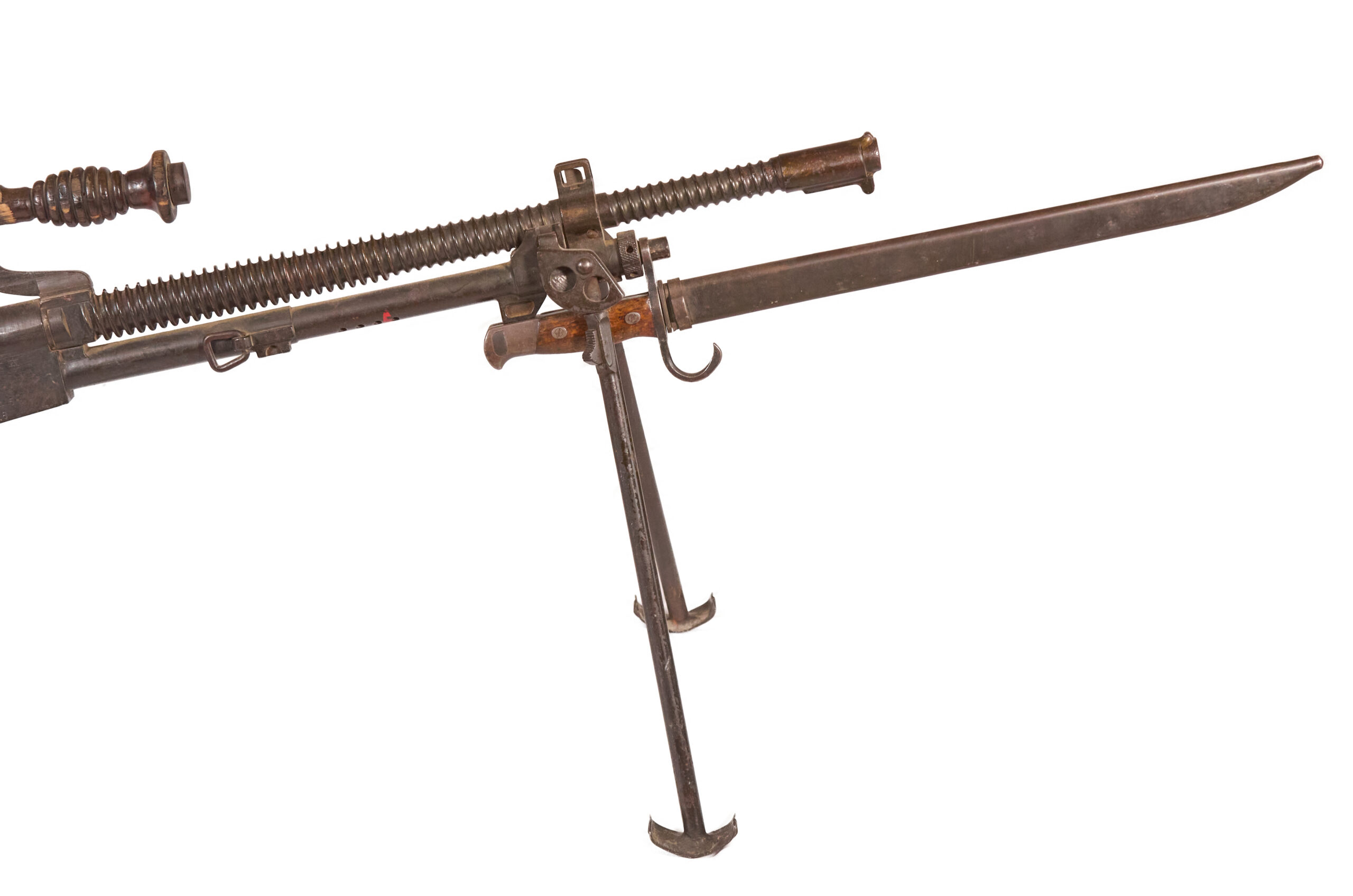
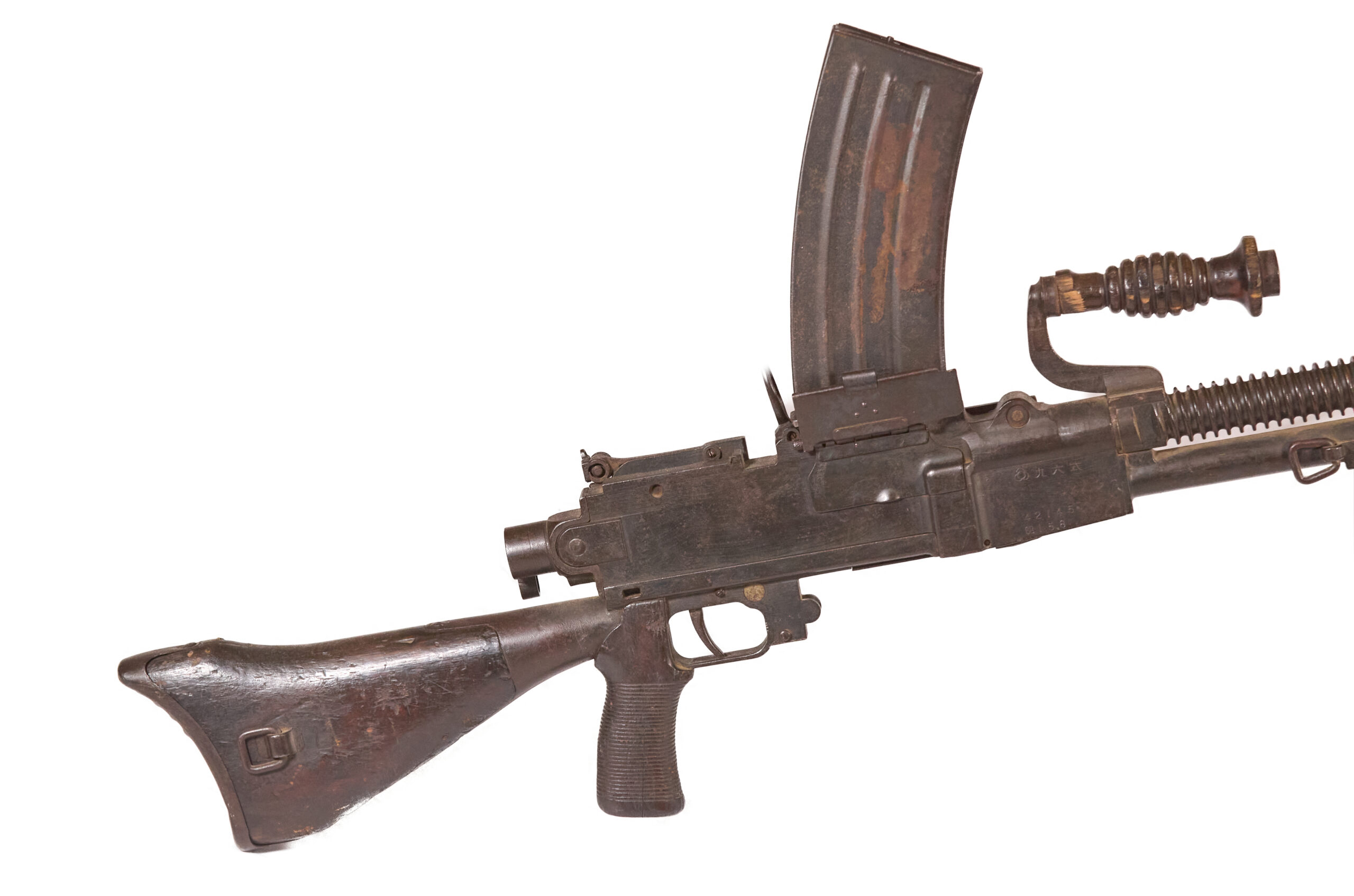
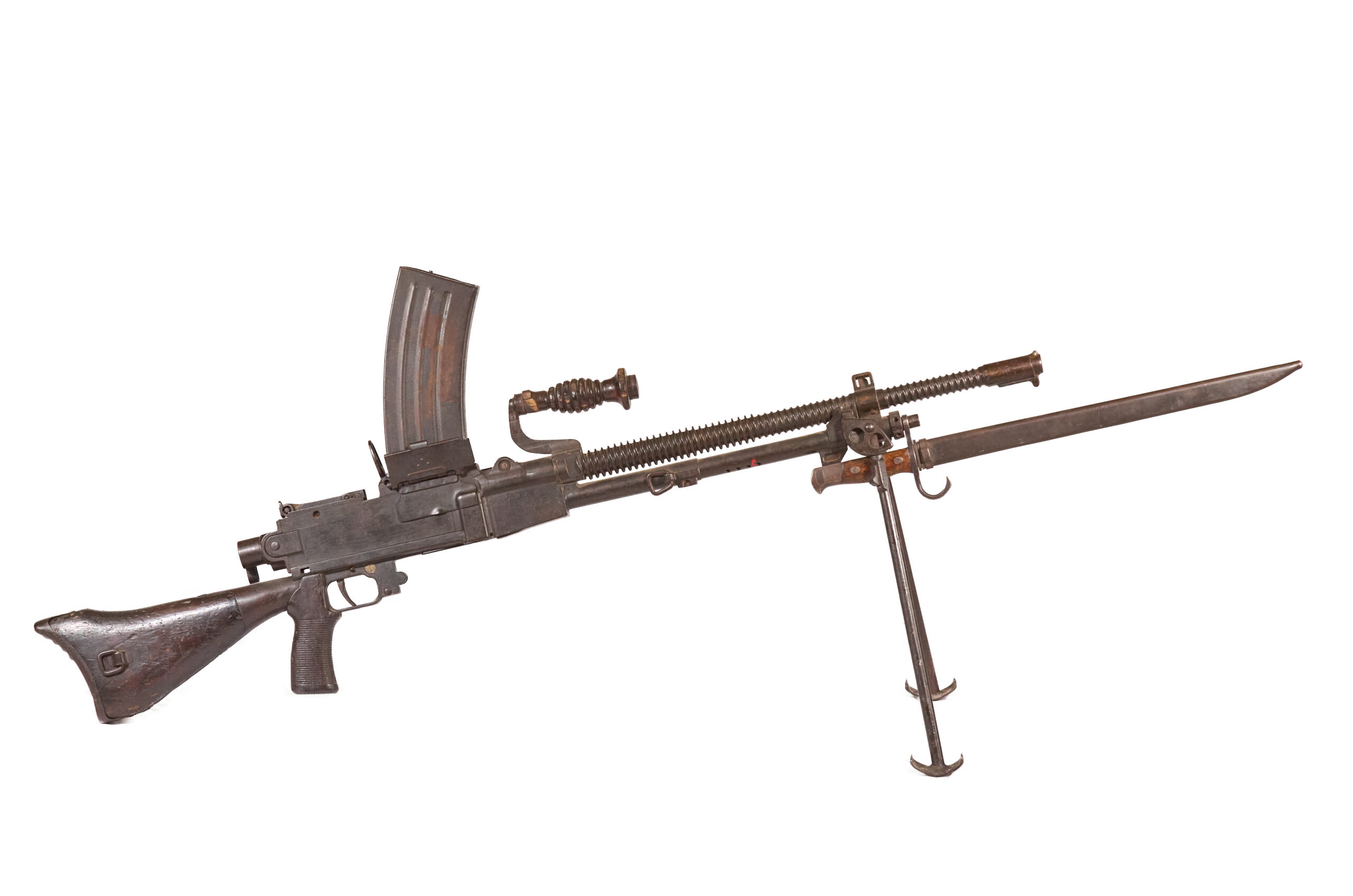
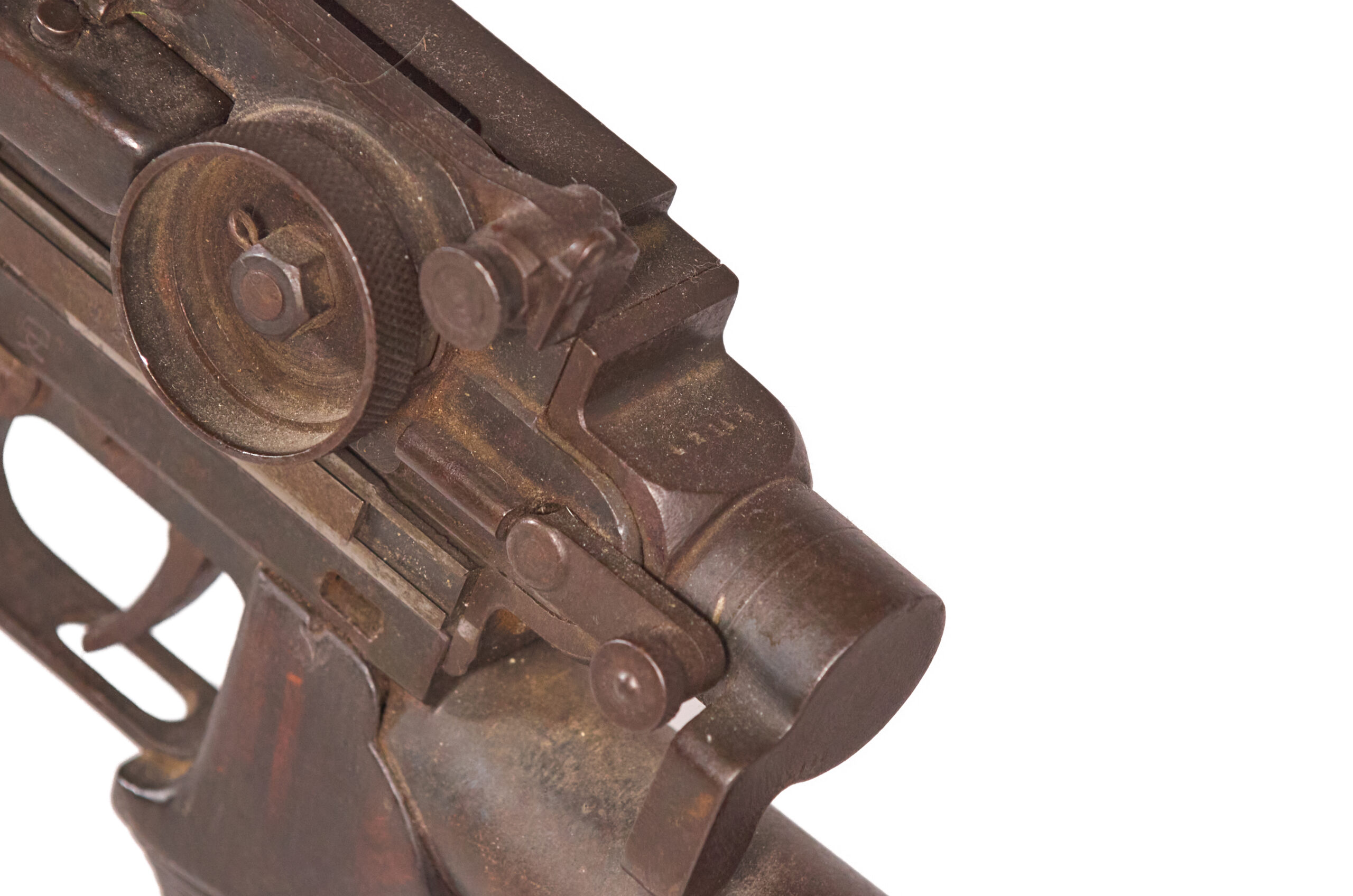
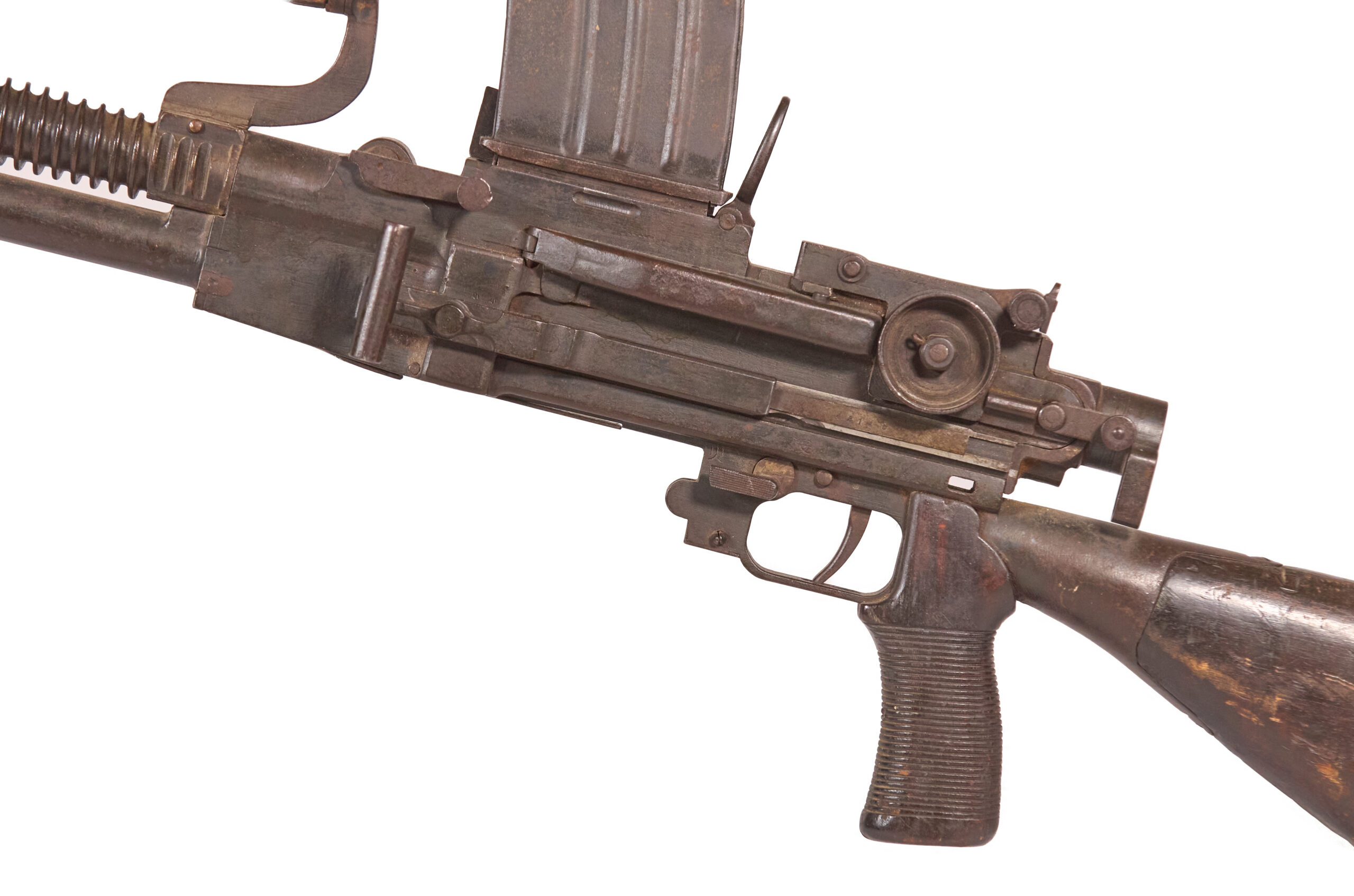
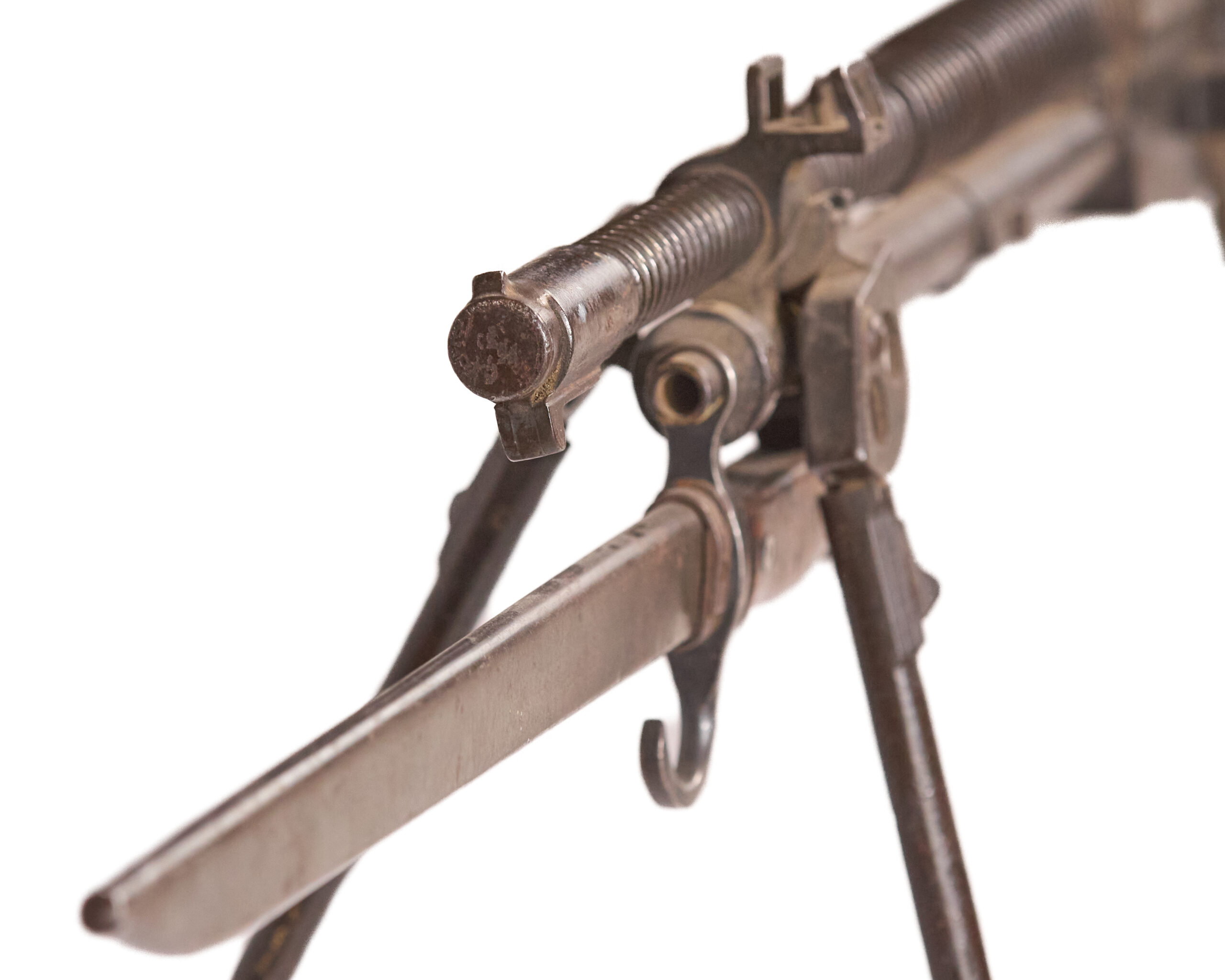
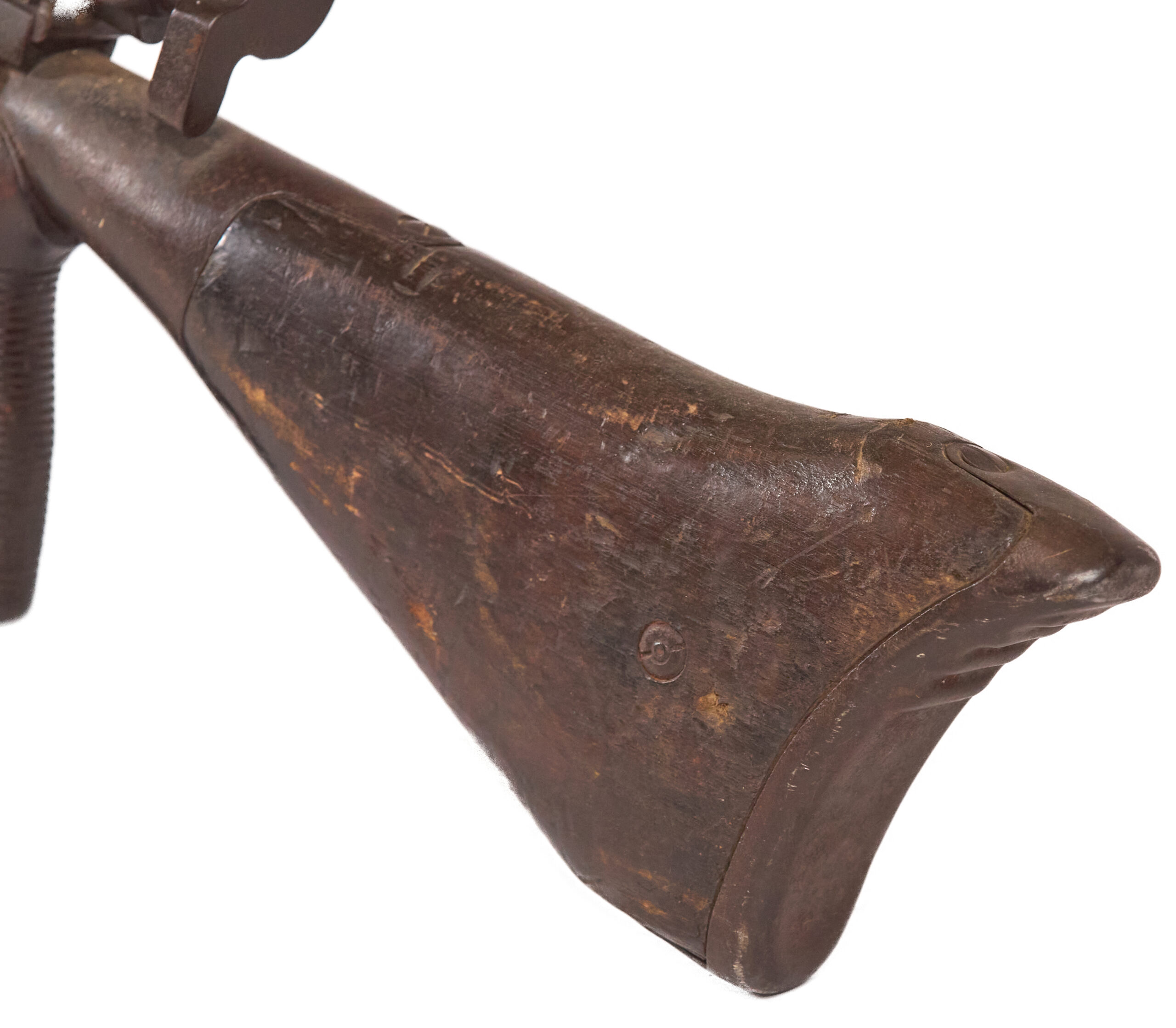
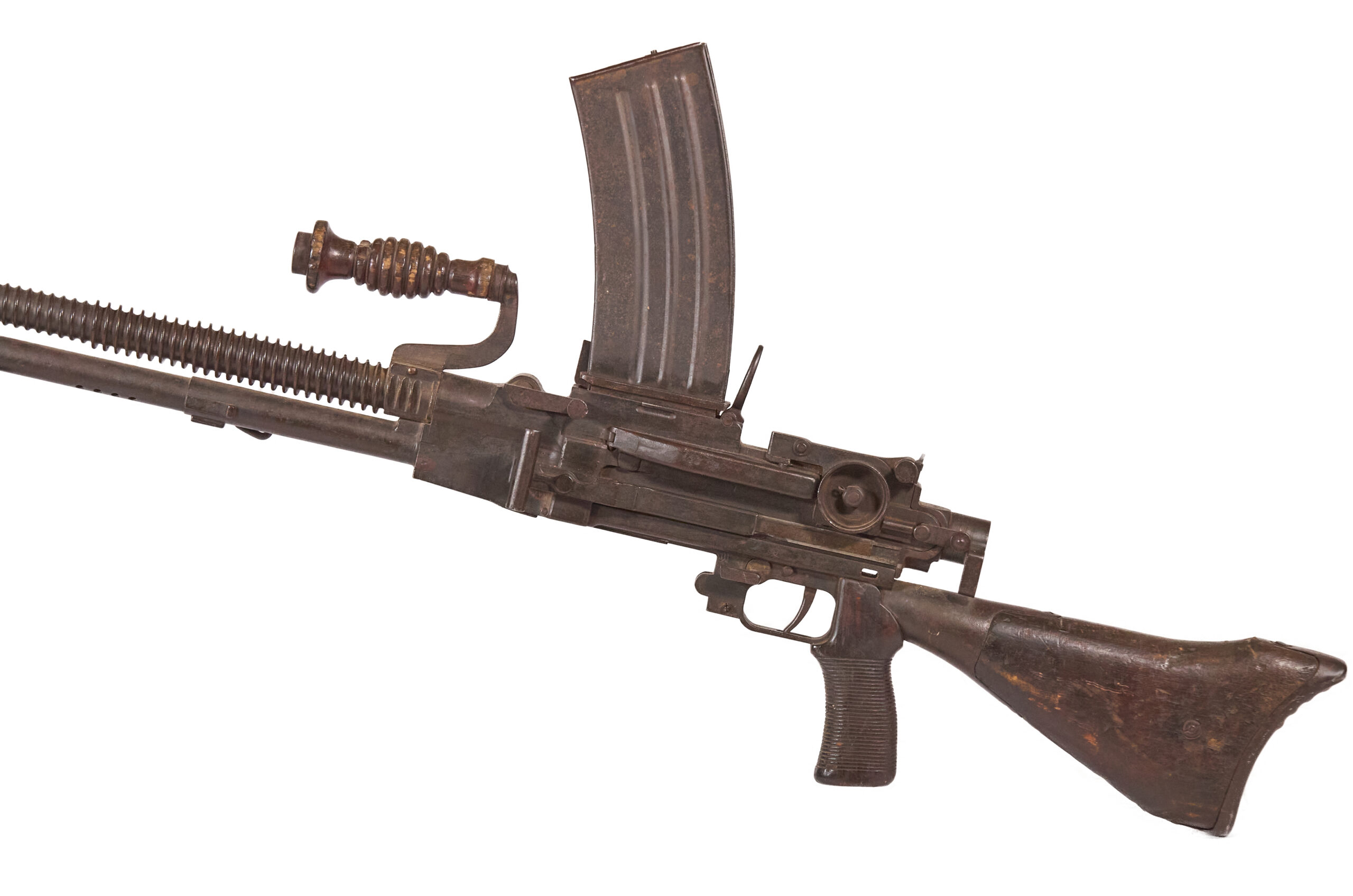
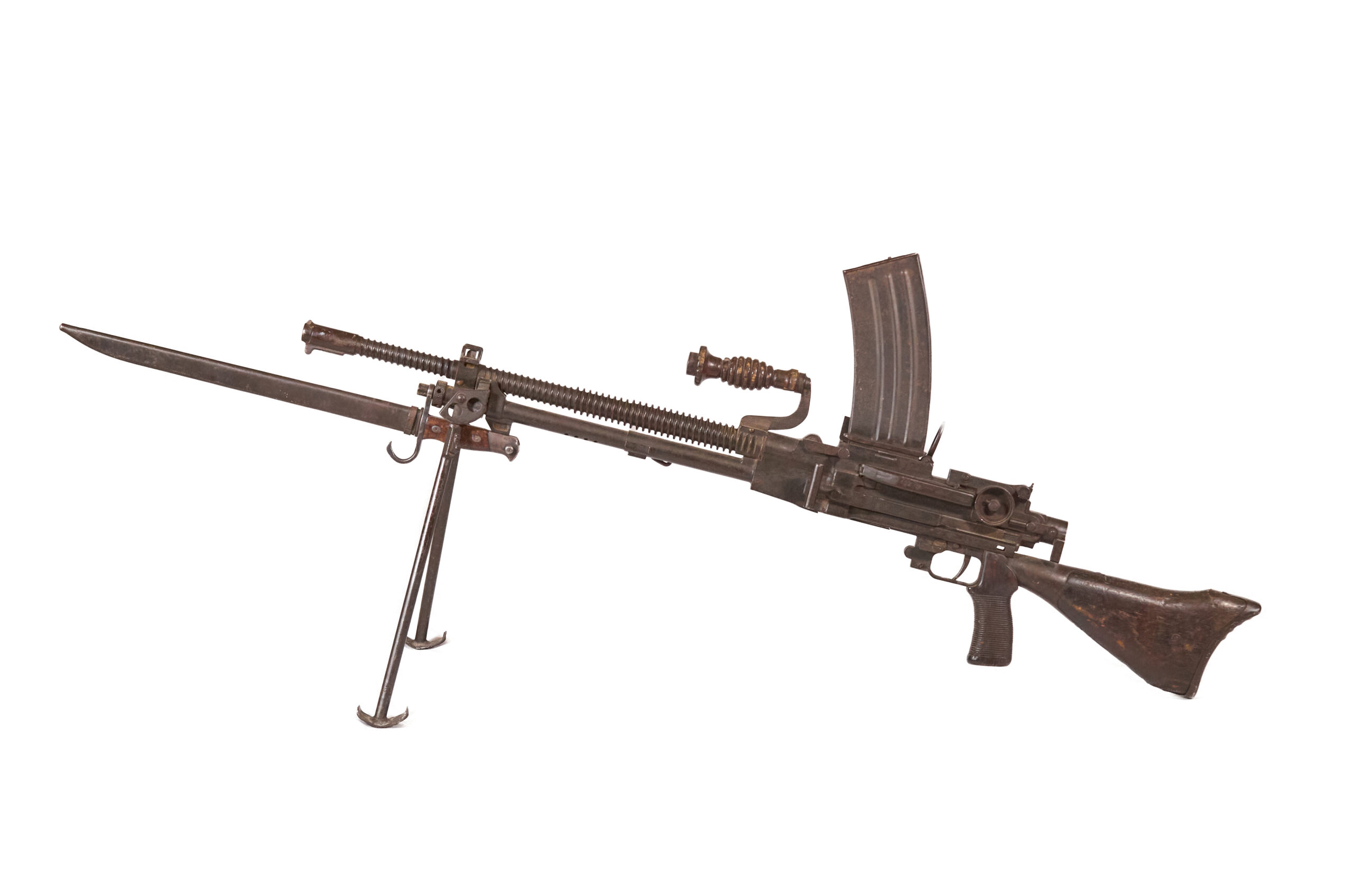
This WWII Imperial Japanese Type 96 Light Machine Gun is a deactivated display machine gun offered with magazine, bipod, wood buttstock, Muzzle cover, and Type 30 bayonet. Adopted by the Imperial Japanese Army in the 1930s, the Type 96 was developed as a squad-level light machine gun chambered for the Japanese 6.5mm service cartridge. It gave Japanese infantry a lighter and more portable automatic weapon than the heavier Type 3 and Type 92 machine guns, while still retaining the controlled sustained-fire role expected of a light support arm.
WWII Imperial Japanese Type 96 Light Machine Gun
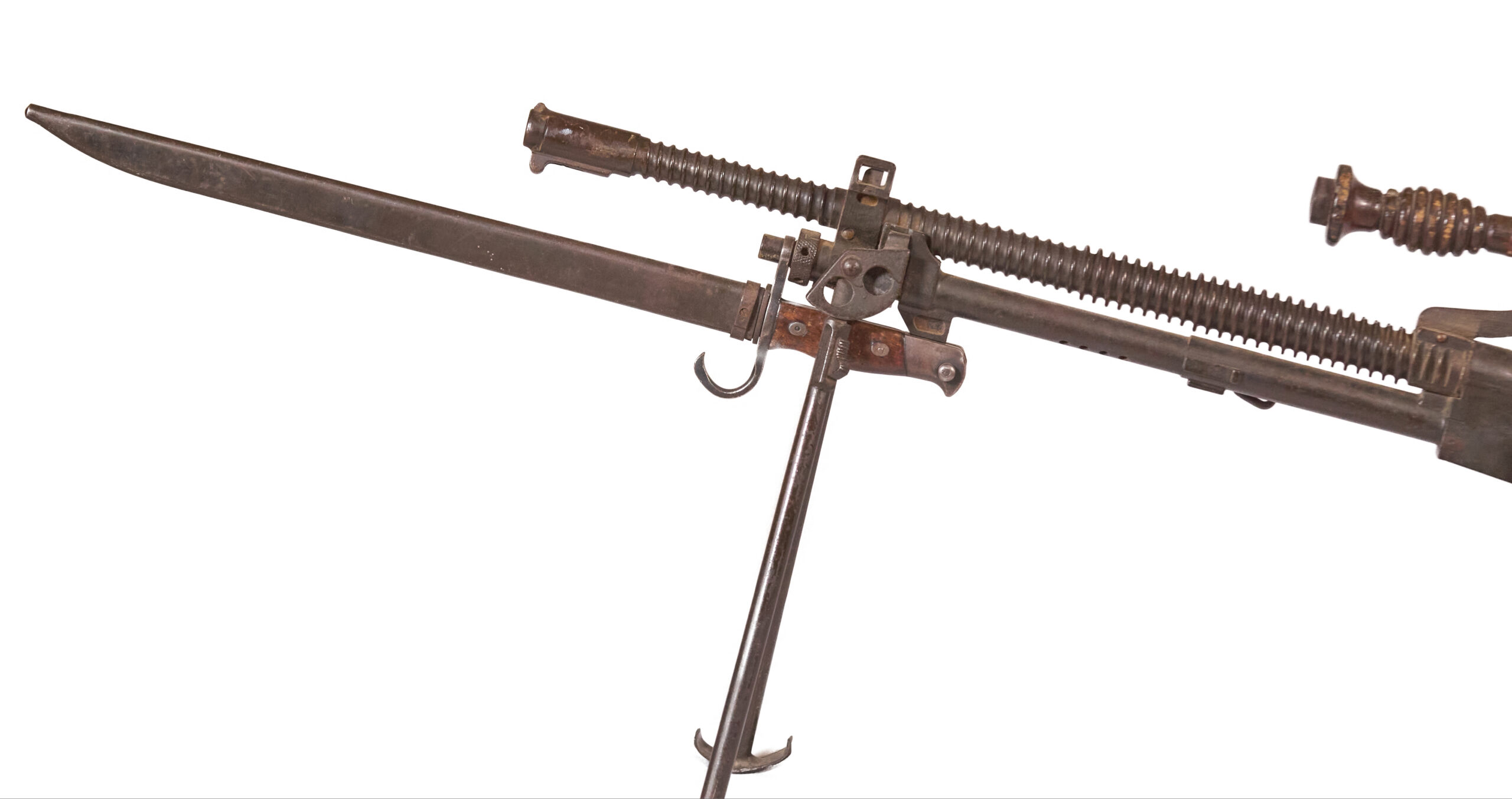
The Type 96 is one of the most recognizable Japanese light machine guns of the Second World War. Its profile combines a top-mounted box magazine, finned barrel, bipod, and full wooden stock in a compact automatic weapon built for infantry use. The addition of the Type 30 bayonet is also characteristic. Japanese doctrine allowed bayonets to be fitted to light machine guns, and that unusual feature remains one of the best-known visual details of the Type 96 pattern.
Construction / Configuration / Pattern
The Type 96 was a gas-operated, air-cooled light machine gun designed for use from the bipod as a portable support weapon. The receiver and feed system were arranged around a top-mounted box magazine, while the full wooden buttstock gave the gun a conventional shoulder-fired layout. This example retains the major features that define the type: magazine, bipod, wood stock, and Type 30 bayonet.
Japanese light machine guns of this family are notable for their careful machining and distinctive external form. The Type 96 used a quick-change barrel arrangement and a folding bipod for field use. Its overall design reflects the Japanese attempt to give infantry squads a more maneuverable automatic weapon without abandoning the stable supported-fire role expected of a light machine gun.
The Type 30 bayonet remains an important part of the set. On Japanese machine guns, the presence of a bayonet was not a novelty added after the fact. It was part of the service pattern and reflected the wider Japanese emphasis on bayonet training and close combat across infantry weapons.
Historical Context / Pattern Development
The Type 96 Light Machine Gun entered Imperial Japanese Army service in the interwar period and saw wide use in the campaigns of the late 1930s and throughout the Second World War. It was developed from earlier Japanese light machine gun experience, especially the Type 11, but it improved on that earlier pattern through a more practical box-magazine feed system and a generally stronger reputation for reliability in service.
In Japanese infantry organization, the Type 96 served as the squad or section automatic weapon. It was intended to deliver supporting fire during movement, defense, and attack, while remaining portable enough to accompany advancing infantry over difficult ground. That role made it an important battlefield weapon in China, Southeast Asia, and the Pacific.
The Type 96 also shows the particular character of Japanese small-arms development in the period between the world wars and 1945. It was not a copy of one single foreign weapon. Instead, it reflects a distinctly Japanese combination of French influence, domestic development, and doctrine shaped by the Imperial Army’s own field requirements. The result was a light machine gun that remained visually and mechanically distinct from contemporary German, British, Soviet, and American designs.
Condition
This example should be understood as a deactivated display machine gun. The principal value of the set lies in the completeness of the display configuration: the gun itself, its magazine, bipod, wood stock, and Type 30 bayonet. In that form, it presents as a complete Imperial Japanese light machine gun set rather than a stripped receiver or partial parts grouping. The combination of the Type 96 with its bayonet is especially important because it preserves one of the defining service features of the pattern.
Explore More at Old Steel
Follow us on Instagram:
Old Steel Guns on Instagram