Description
American Civil War Two-Pounder Field Cannon – Woodruff-Type Small-Bore Gun
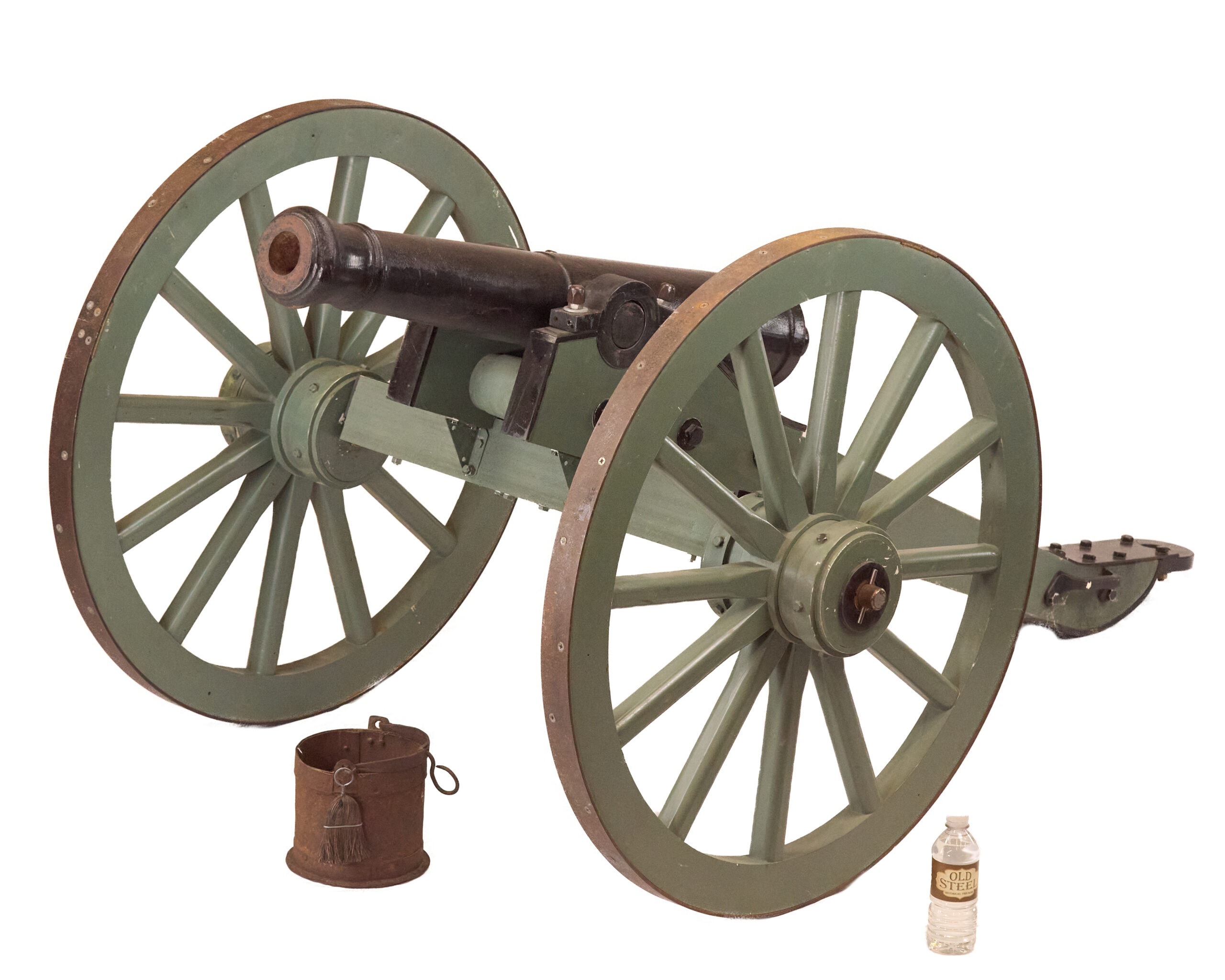
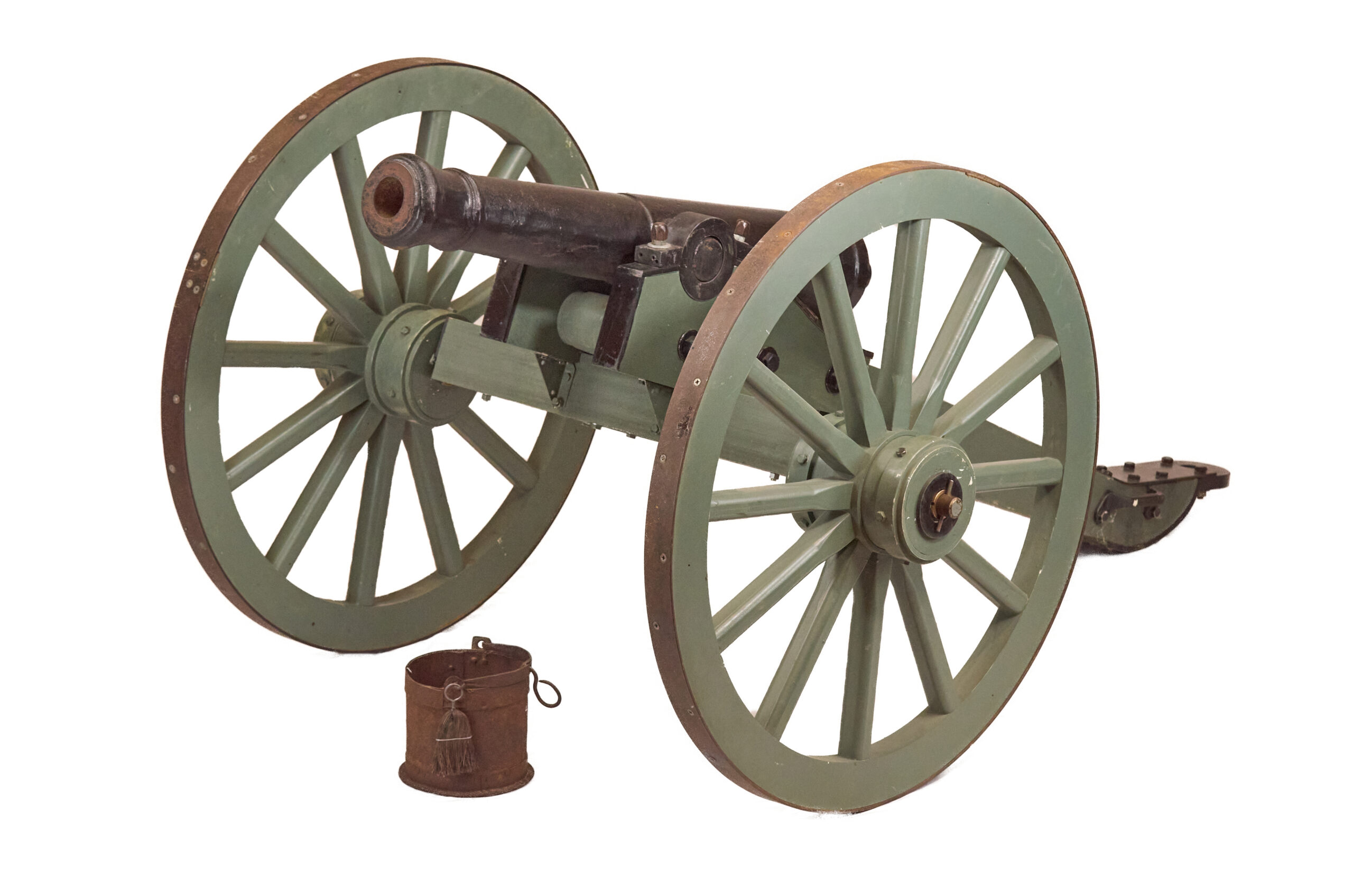
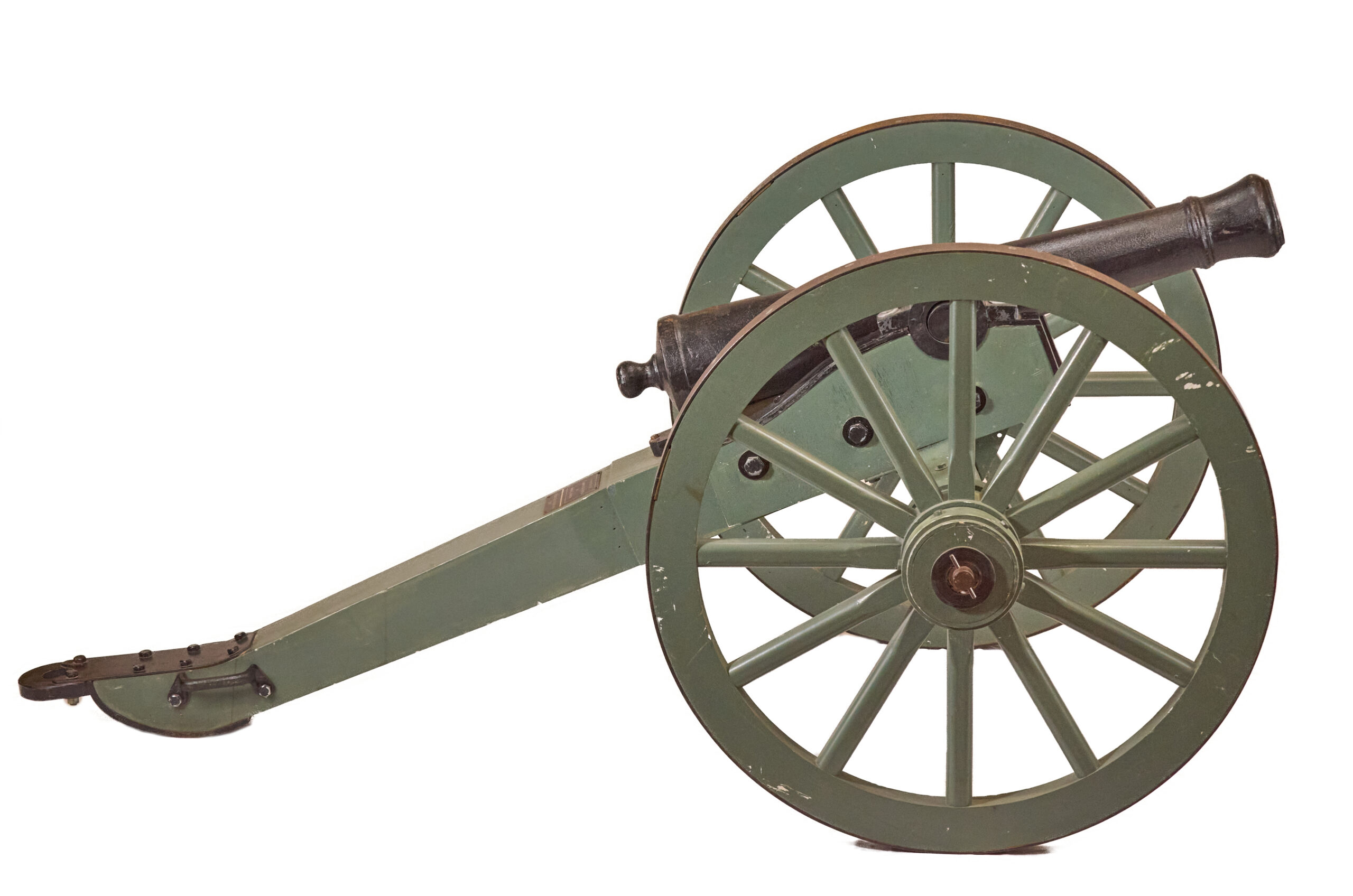
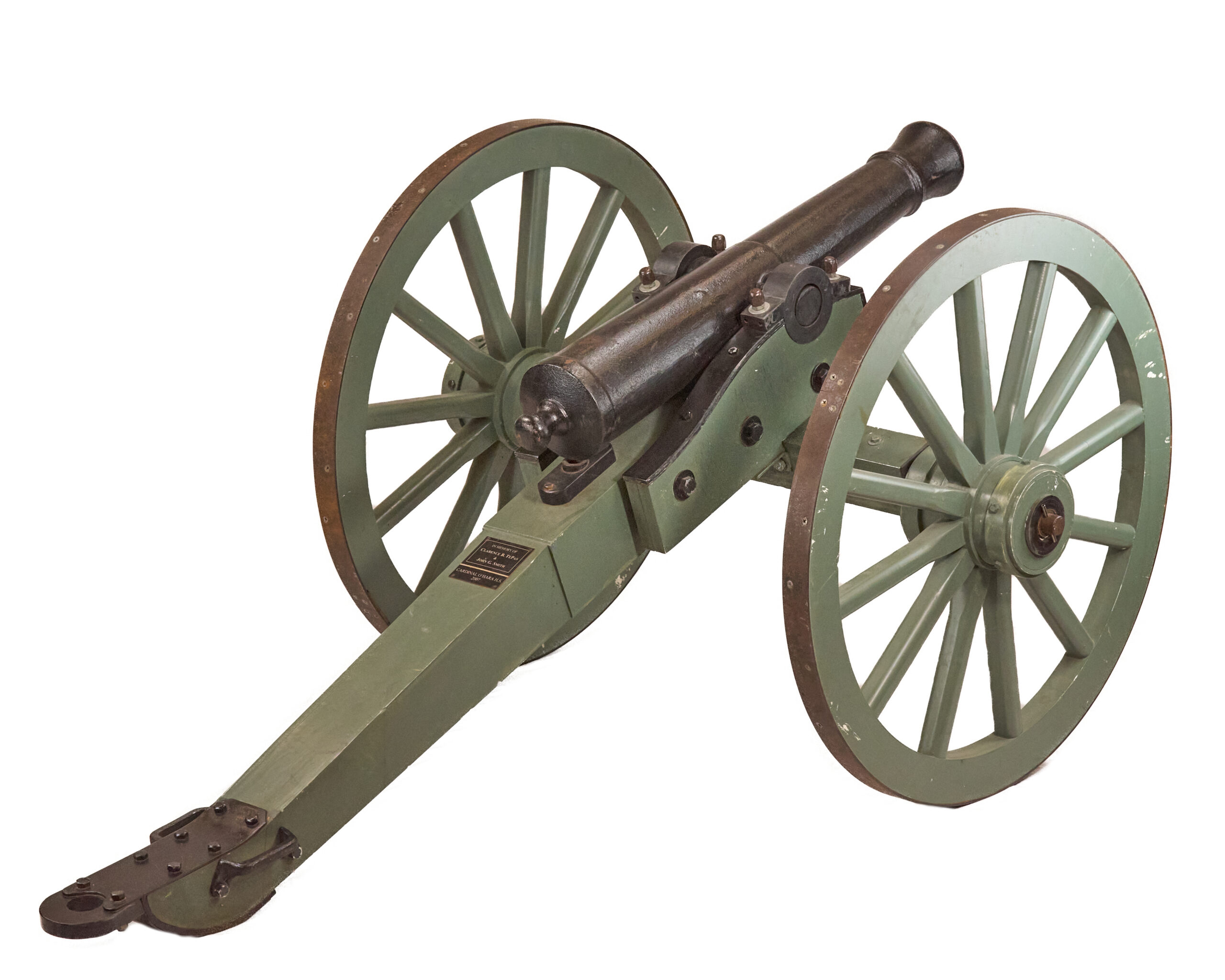
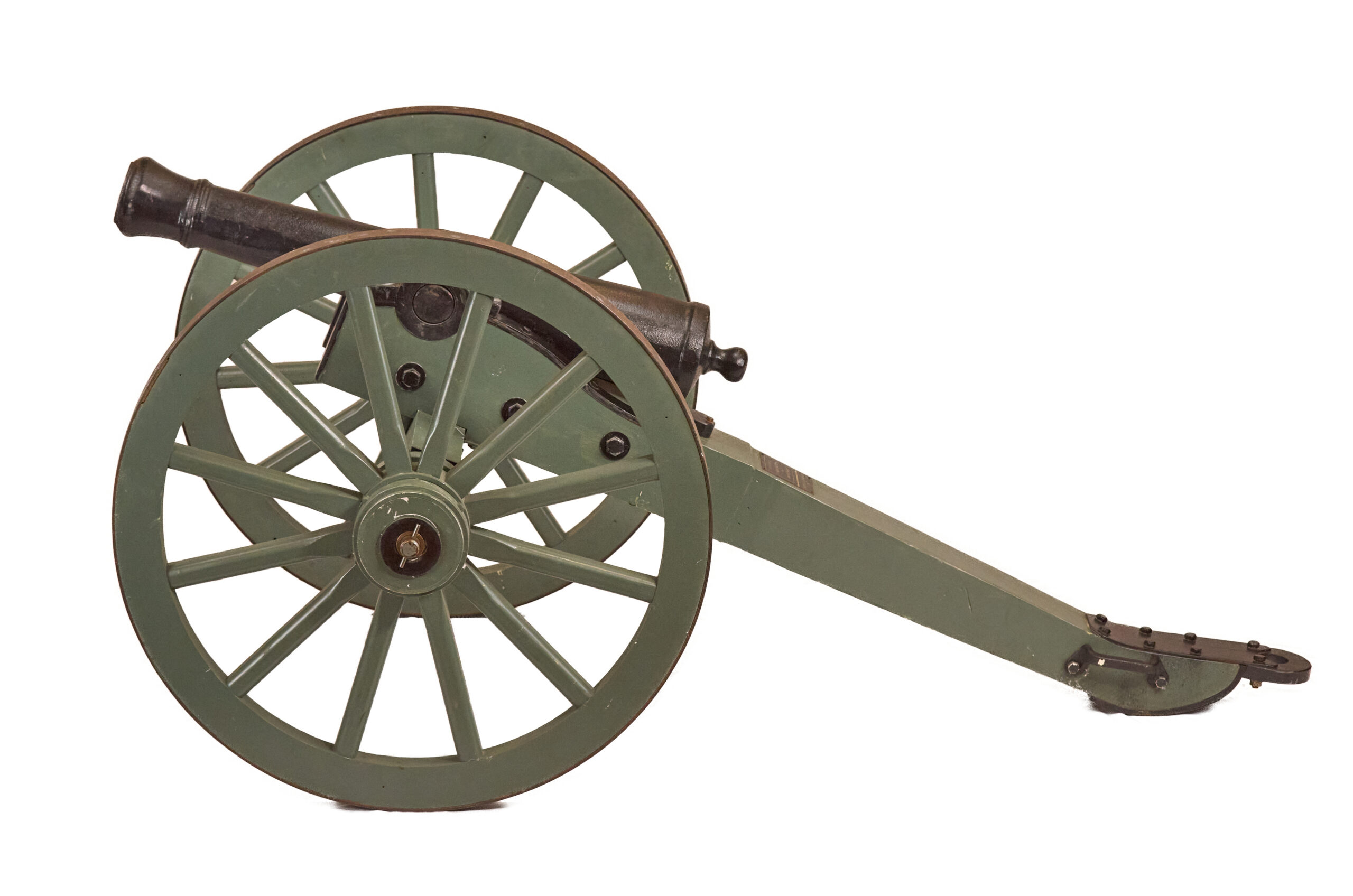
This American Civil War small-bore field style cannon is a reproduction of a two-pounder smoothbore with an approximately 2 1/4-inch bore and 47-inch barrel. The piece is mounted on a wood and iron field carriage with 40 1/2-inch wheels and comes with an original civil war artillery sponge bucket. The overall form closely matches the small unidentified field-type cannon sold by Rock Island Auction with the “Capt. E. Bigwood / 1st Indiana Light Artillery” association.
Civil War Two-Pounder Field Cannon
This cannon reproduces the forms belonging to the obscure class of small-bore American field guns associated with western cavalry and light artillery use during the Civil War period. It shows similarities to the so-called Woodruff guns, though it is safest to describe it as a Woodruff-type small-bore smoothbore field cannon rather than as a confirmed Woodruff gun.
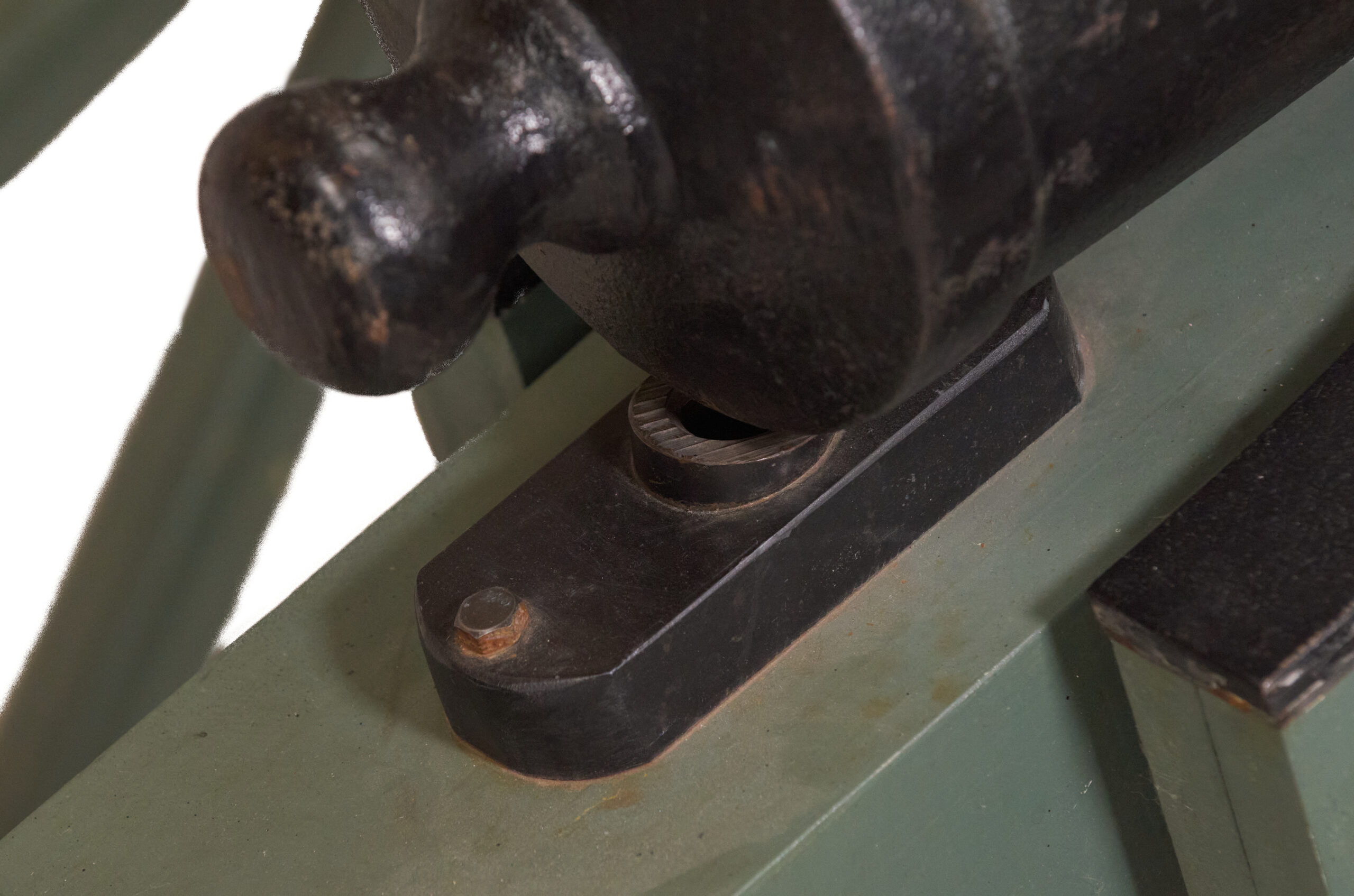
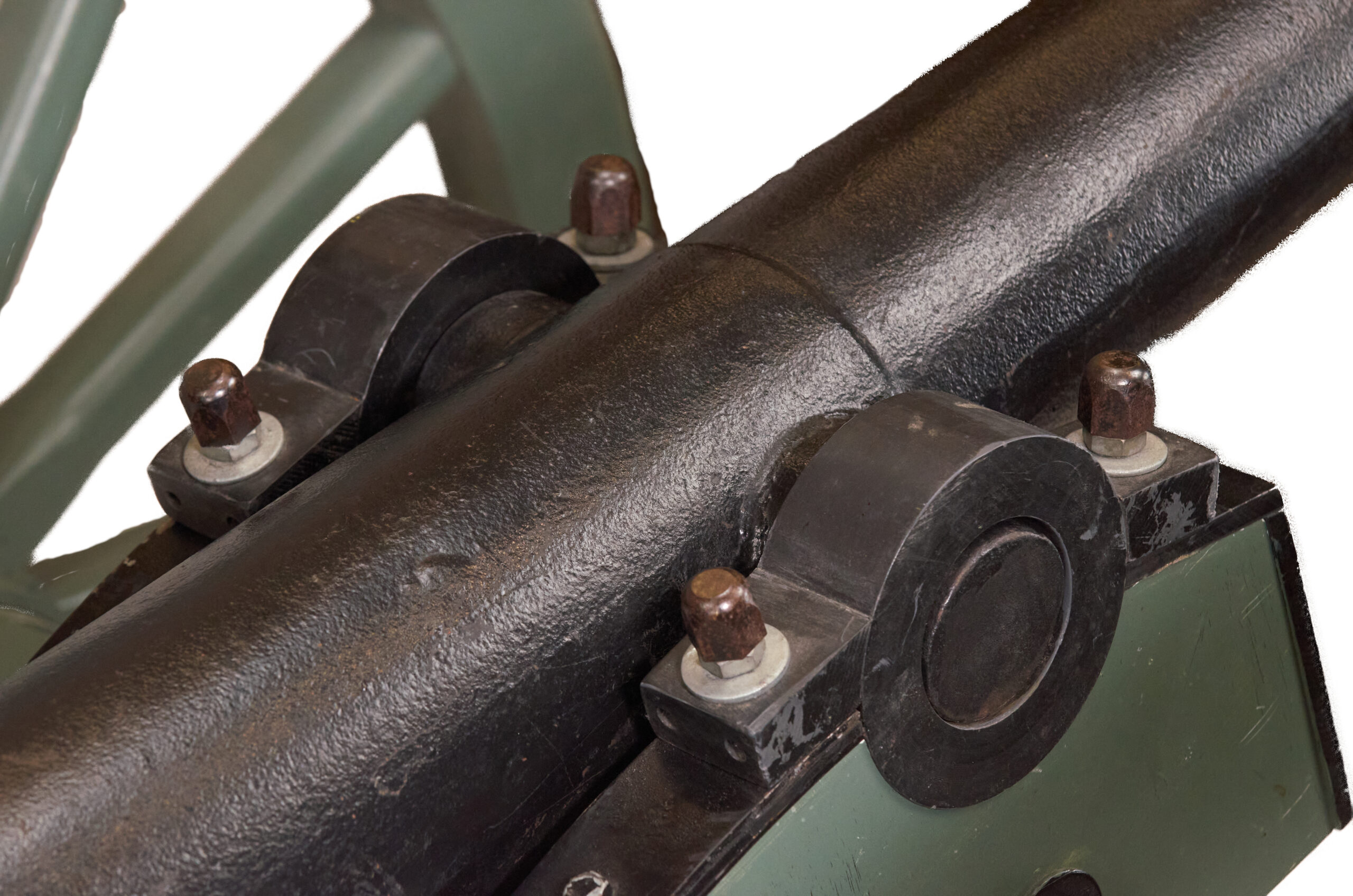
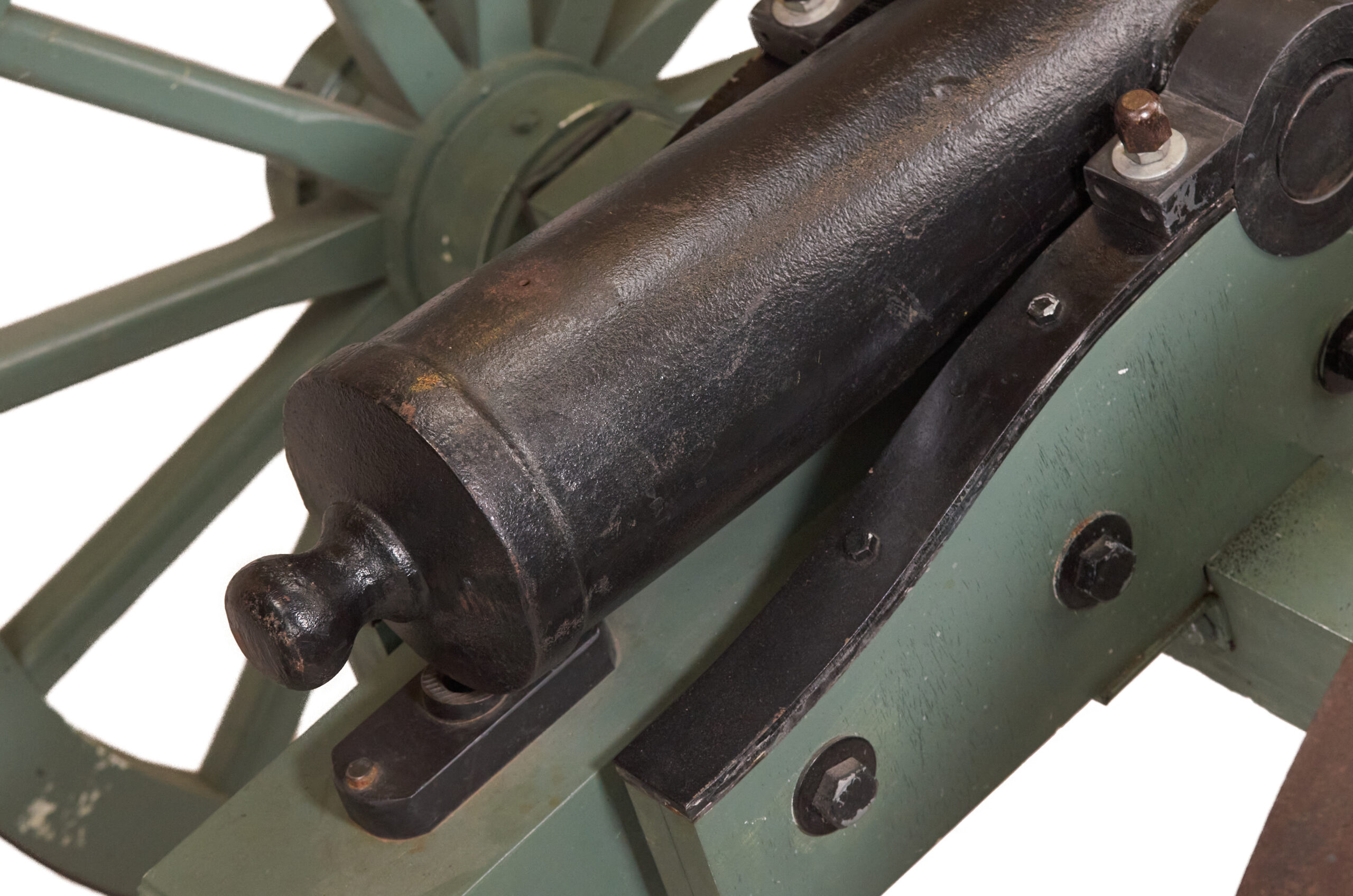
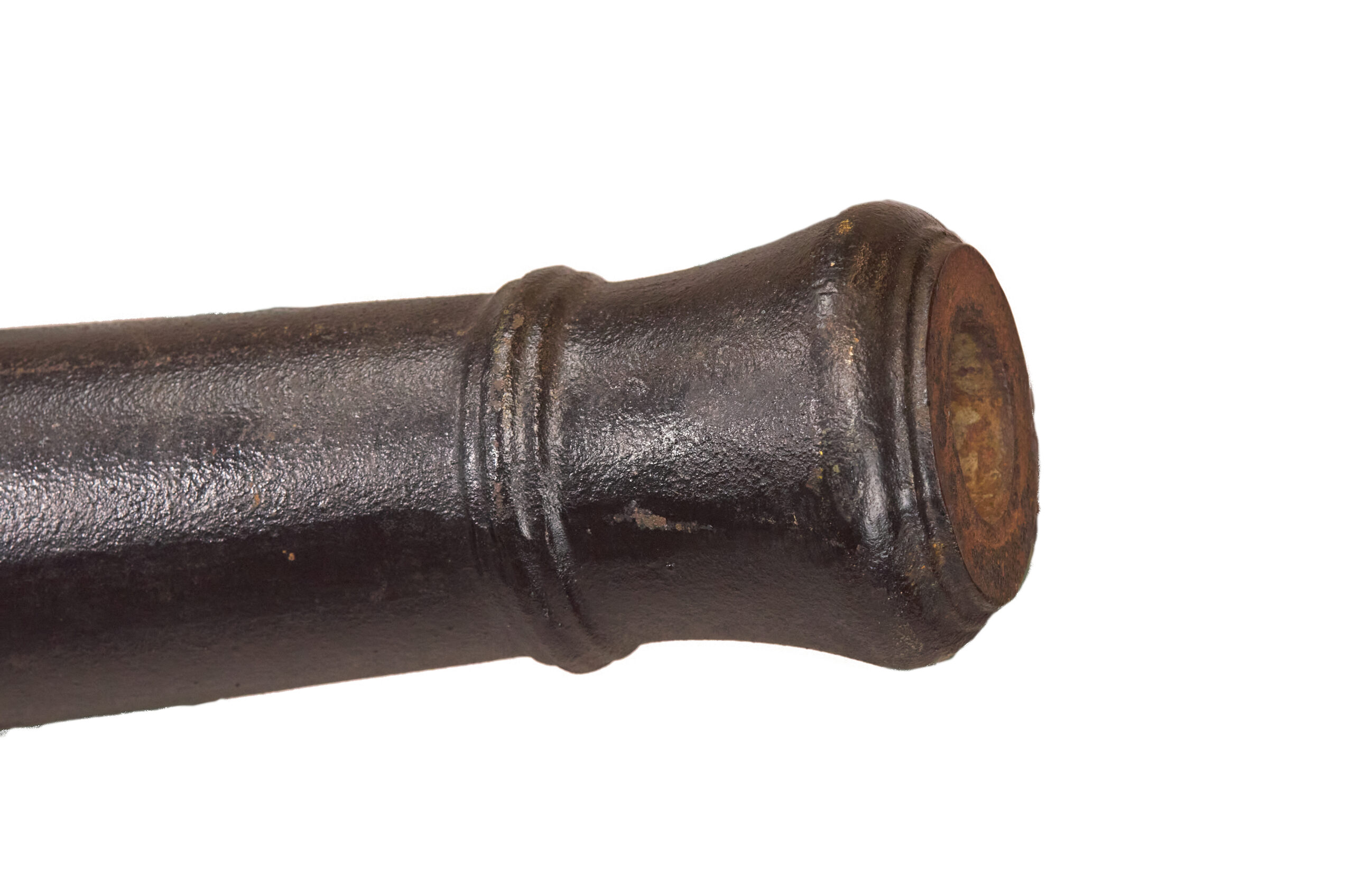
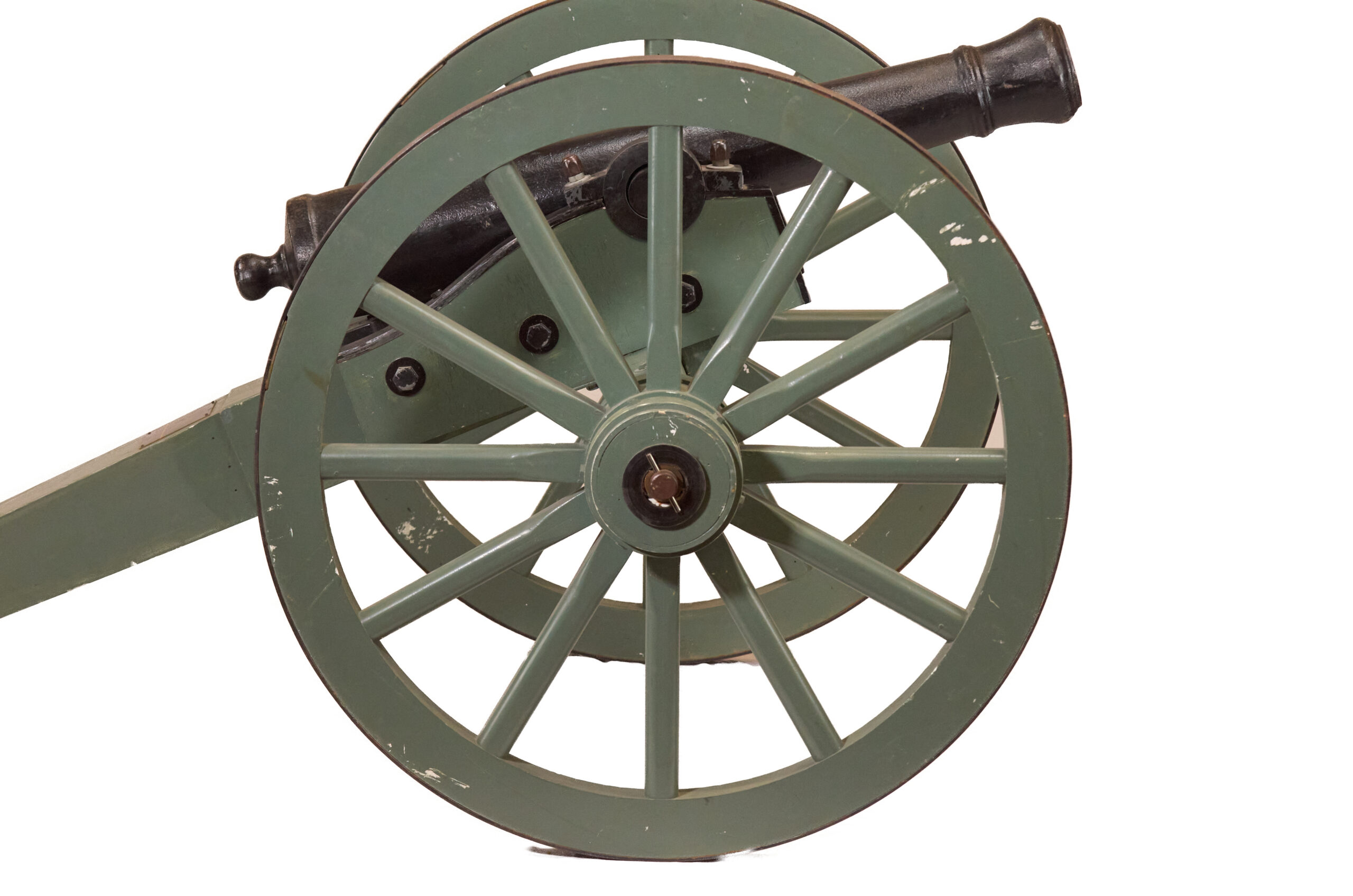
The bore measures approximately 2 1/4 inches, placing it in the two-pounder range. The barrel has a compact field-gun profile with reinforced muzzle, trunnions, cascabel, and a dark enamel or japanned-style finish. The tube measures approximately 47 inches long.
Construction / Configuration / Pattern
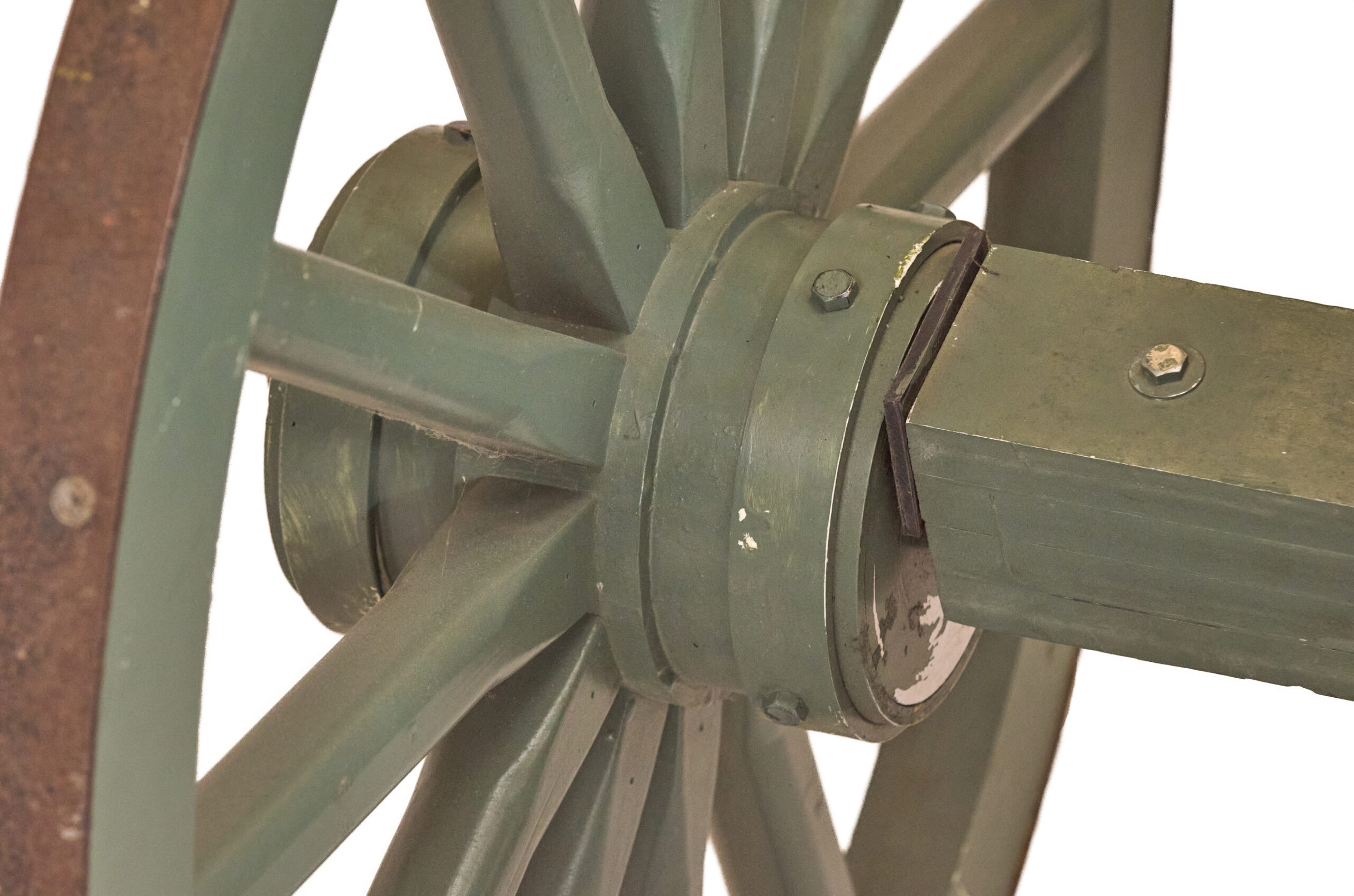
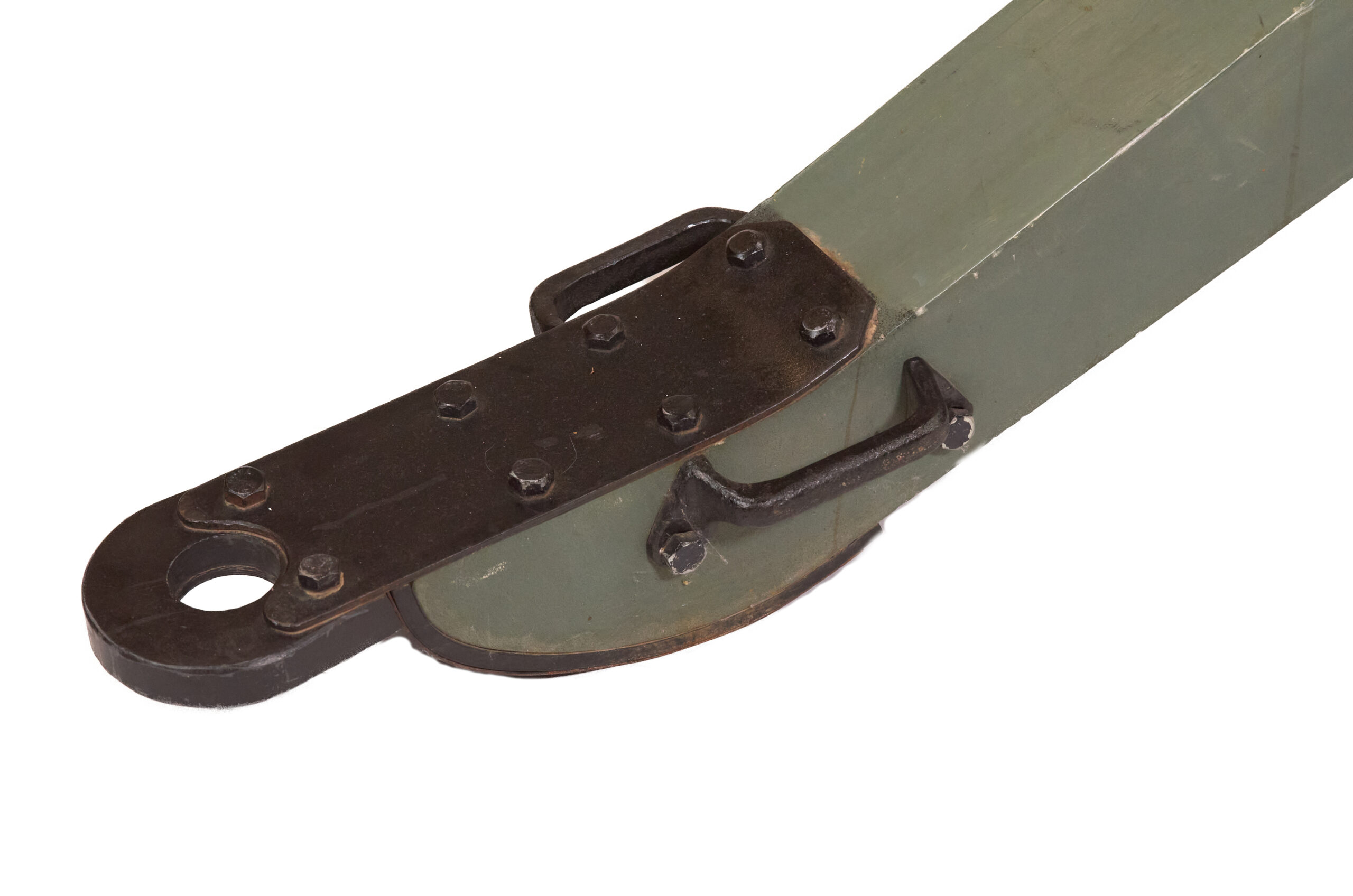
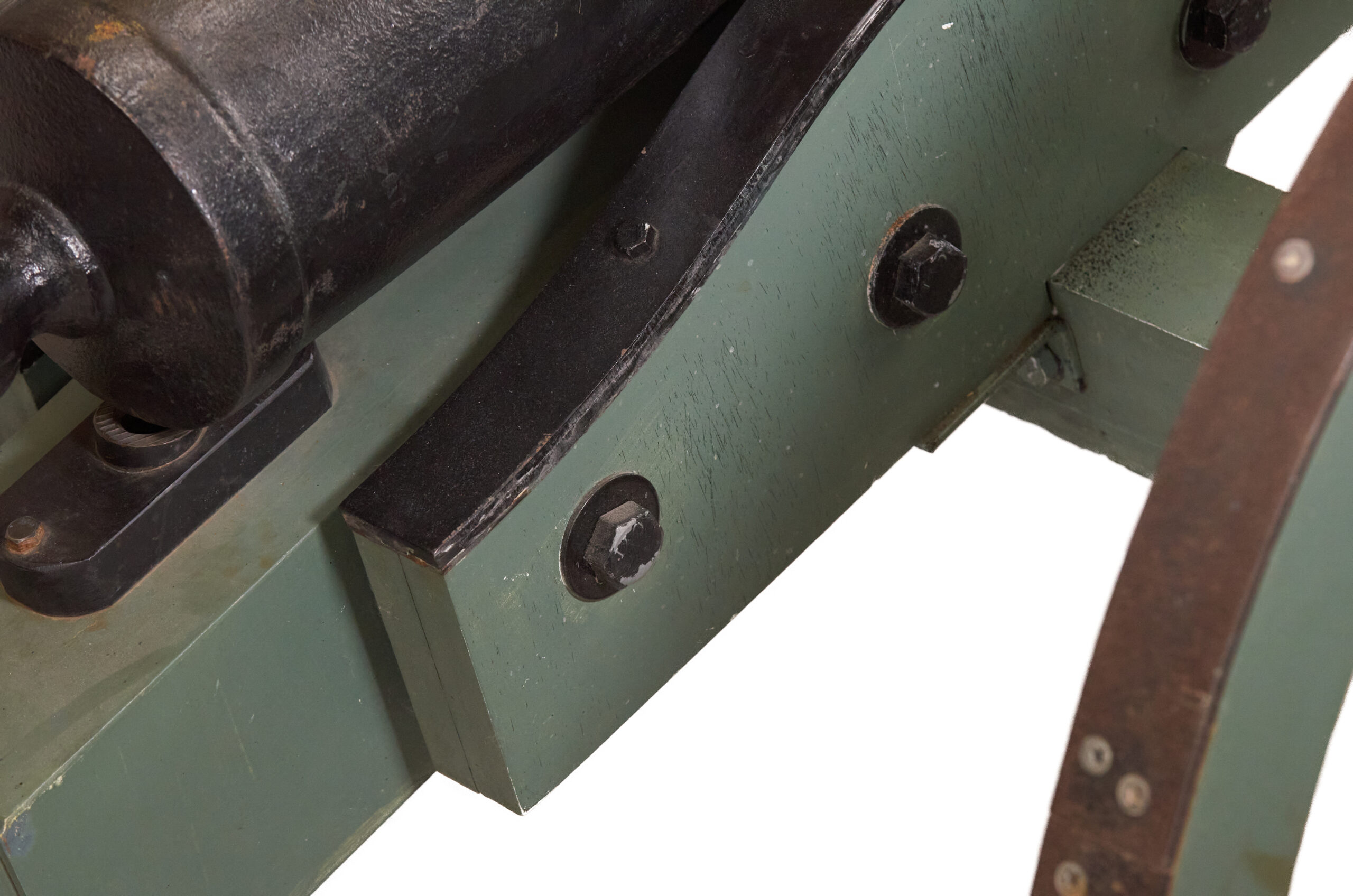
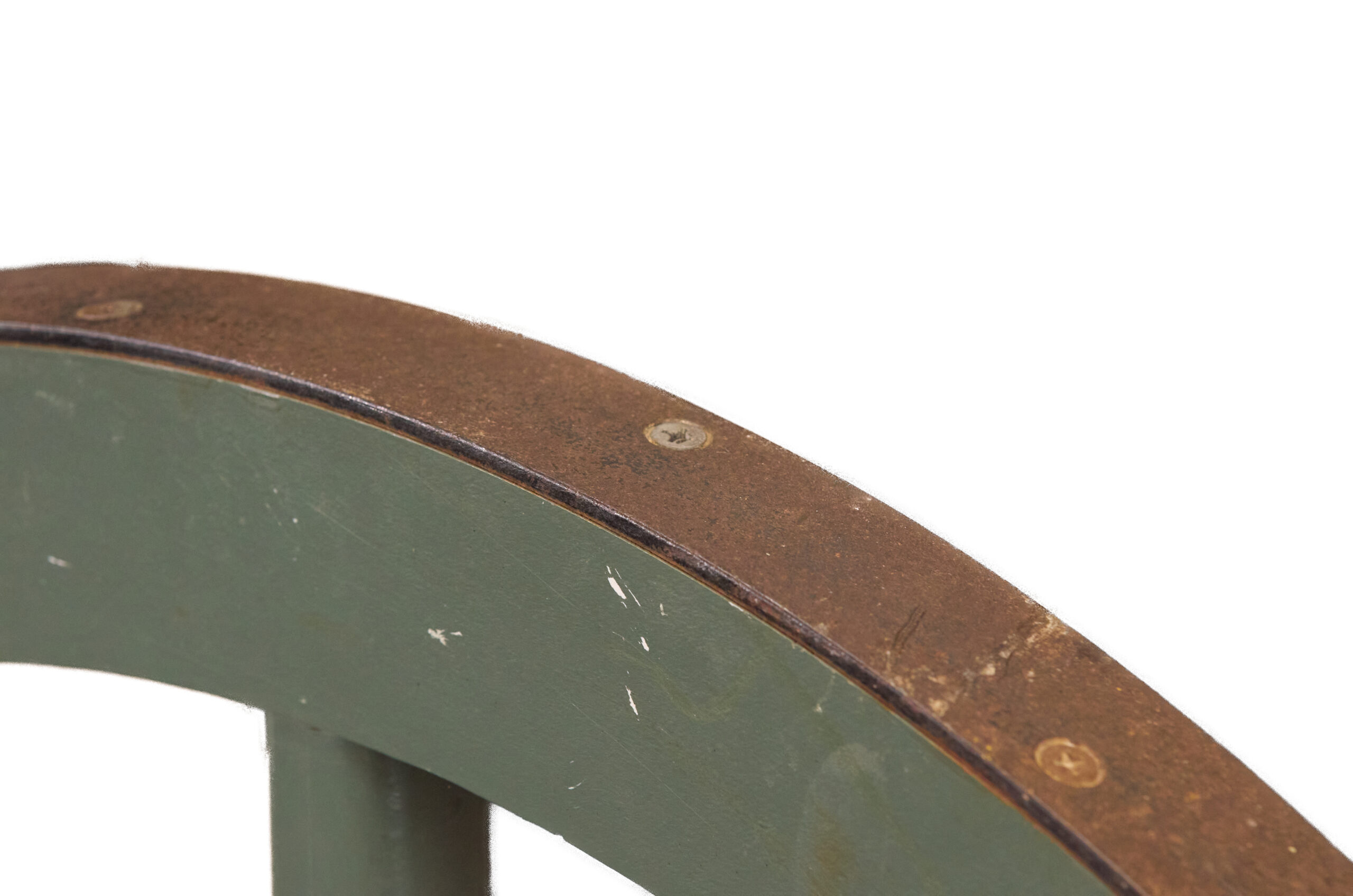
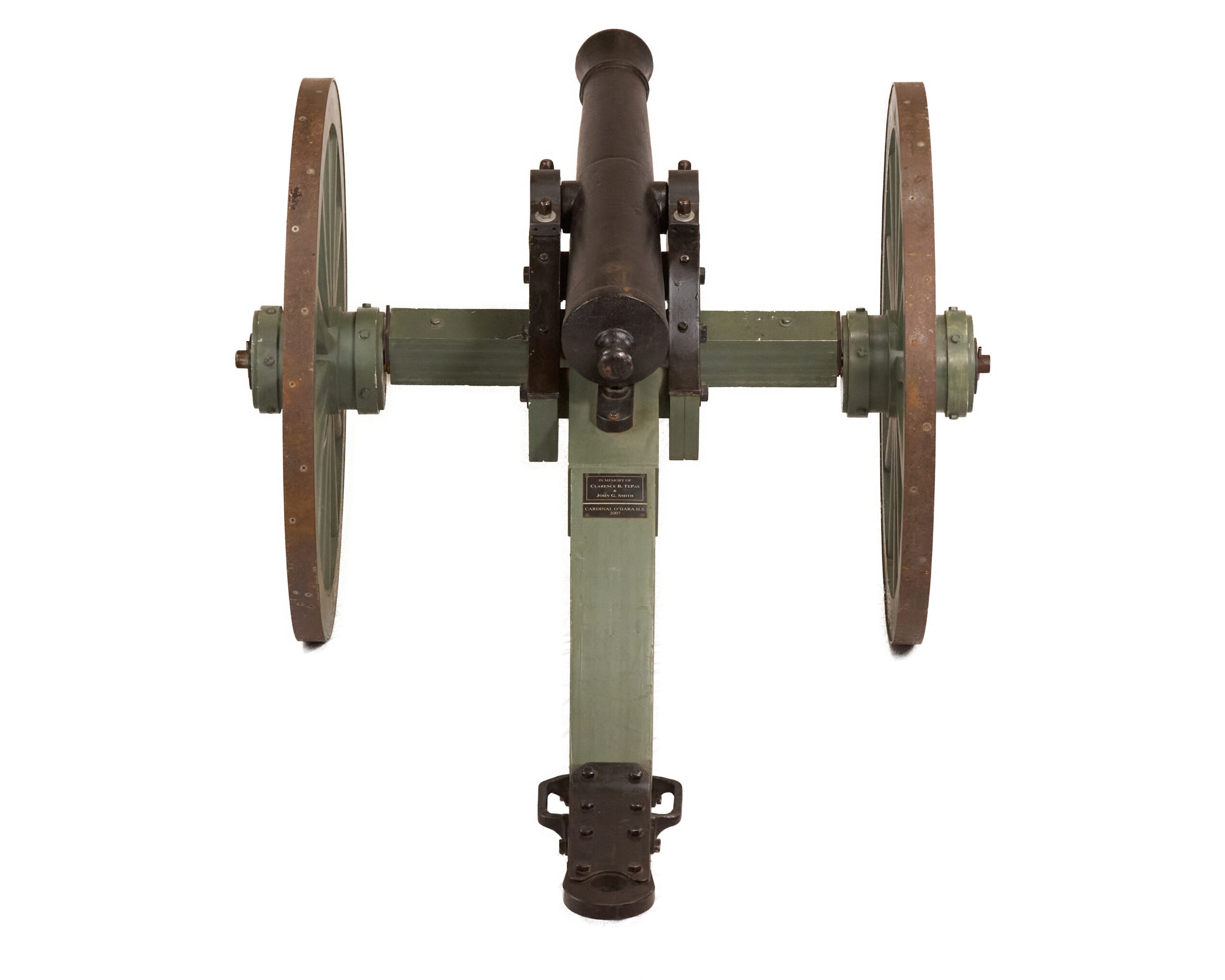
The cannon is mounted on a wooden field carriage with iron fittings. The carriage measures approximately 80 inches long, with a 50-inch wheelbase and 40 1/2-inch wheels. The wheels have wood hubs and spokes with iron tires. The carriage is painted green and fitted with blackened iron hardware, trunnion caps, axle fittings, and trail hardware.
The carriage is a rebuild using period style iron components. The woodwork presents cleanly and follows the field-carriage form.
The included iron sponge bucket is an important artillery accessory. Sponge buckets held water for the artillery sponge used to quench embers and powder residue inside the bore between black-powder rounds. The bucket has a simple cylindrical iron body with bail handle and aged surface finish.
Historical Context / Pattern Development
Small two-pounder field guns occupied an unusual place in Civil War artillery. They lacked the power and range of standard field pieces such as 6-pounder guns, 12-pounder howitzers, Napoleons, and rifled artillery. Their advantage was portability. Small guns could accompany cavalry, militia, or light detachments where a full field battery was impractical.
Woodruff-type guns are especially associated with the western theater. They were compact smoothbore pieces, often around two inches in bore, and were used in limited numbers by Union cavalry and volunteer units. Their small size made them easier to move, but their battlefield value depended heavily on circumstance. They were most useful where mobility mattered and where opposing artillery was limited or absent.
This example is especially close in size and form to the Rock Island Auction “Capt. E. Bigwood / 1st Indiana Light Artillery” cannon. That cataloged piece was also described with a 2 1/4-inch bore, 47-inch barrel, 80-inch carriage length, 50-inch wheelbase, and 40 1/2-inch wheels. The shared measurements and form suggest a related production pattern, though the exact maker remains unidentified.
The Bigwood-associated Rock Island example provides a useful comparison point, but this cannon should be described on its own physical evidence. It is best cataloged as a small-bore American Civil War-era two-pounder smoothbore field cannon, Woodruff-type, with a rebuilt carriage and civil war production artillery accessory.
Condition
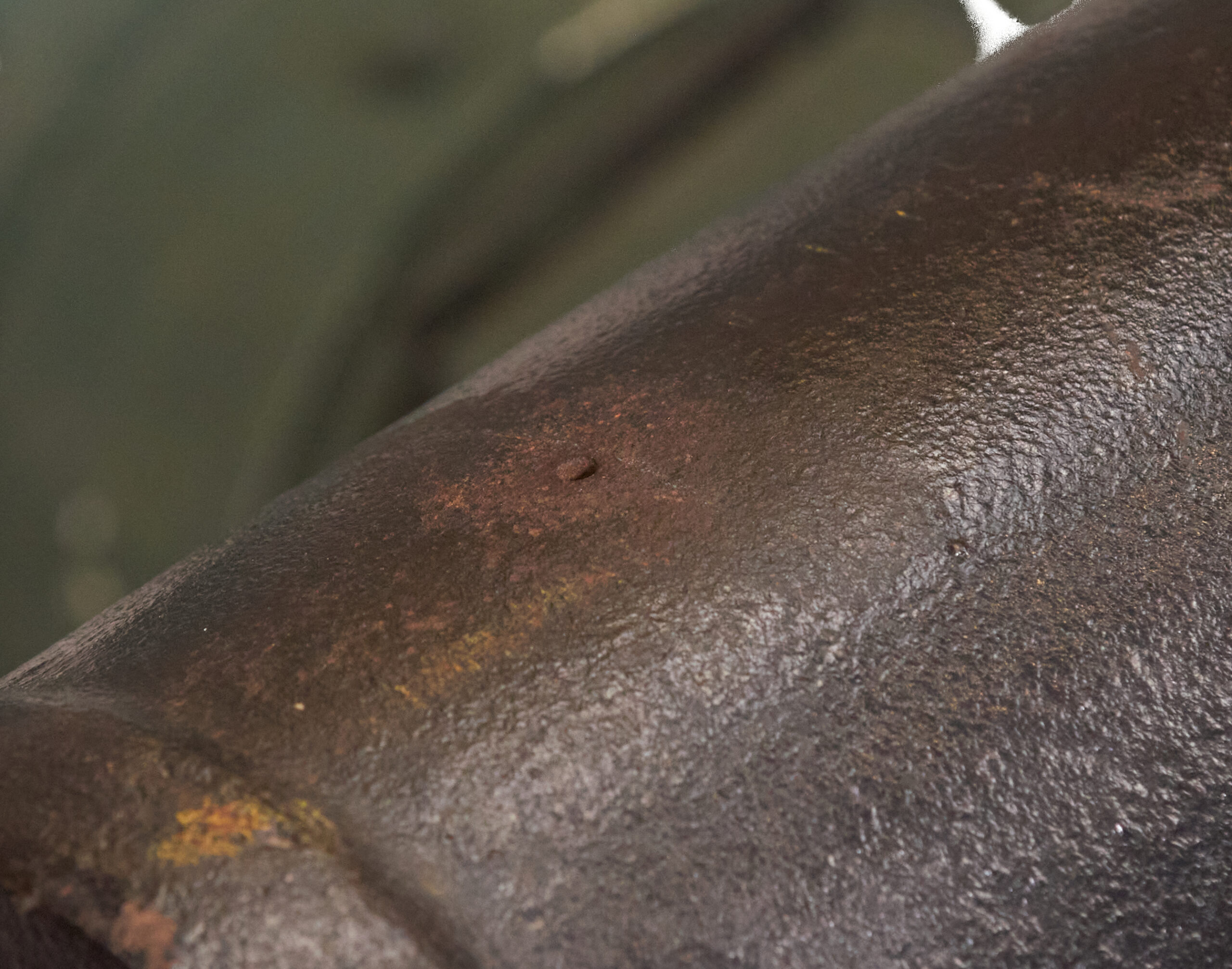
The cannon is in very good display condition. The barrel retains most of its dark enamel finish with scattered wear, light oxidation, and brown patina. The muzzle, trunnion area, and raised surfaces show age and handling wear. The bore is approximately 2 1/4 inches.
The wood carriage presents strongly and has an even green painted finish. The carriage shows handling marks, small scuffs, and light finish wear. The iron fittings show more oxidation and brown patina, especially on the trunnion hardware, axle fittings, wheel tires, and trail hardware. The carriage appears to be a sympathetic rebuild using original iron pieces.
The wheels are solid and visually well matched to the carriage. The iron tires show age and patina. The included artillery sponge bucket has an honest aged surface with oxidation, wear, and old brown patina. Overall, the set has a strong field-artillery appearance and displays well as a rare small-bore Civil War-type cannon with accessory.