Description
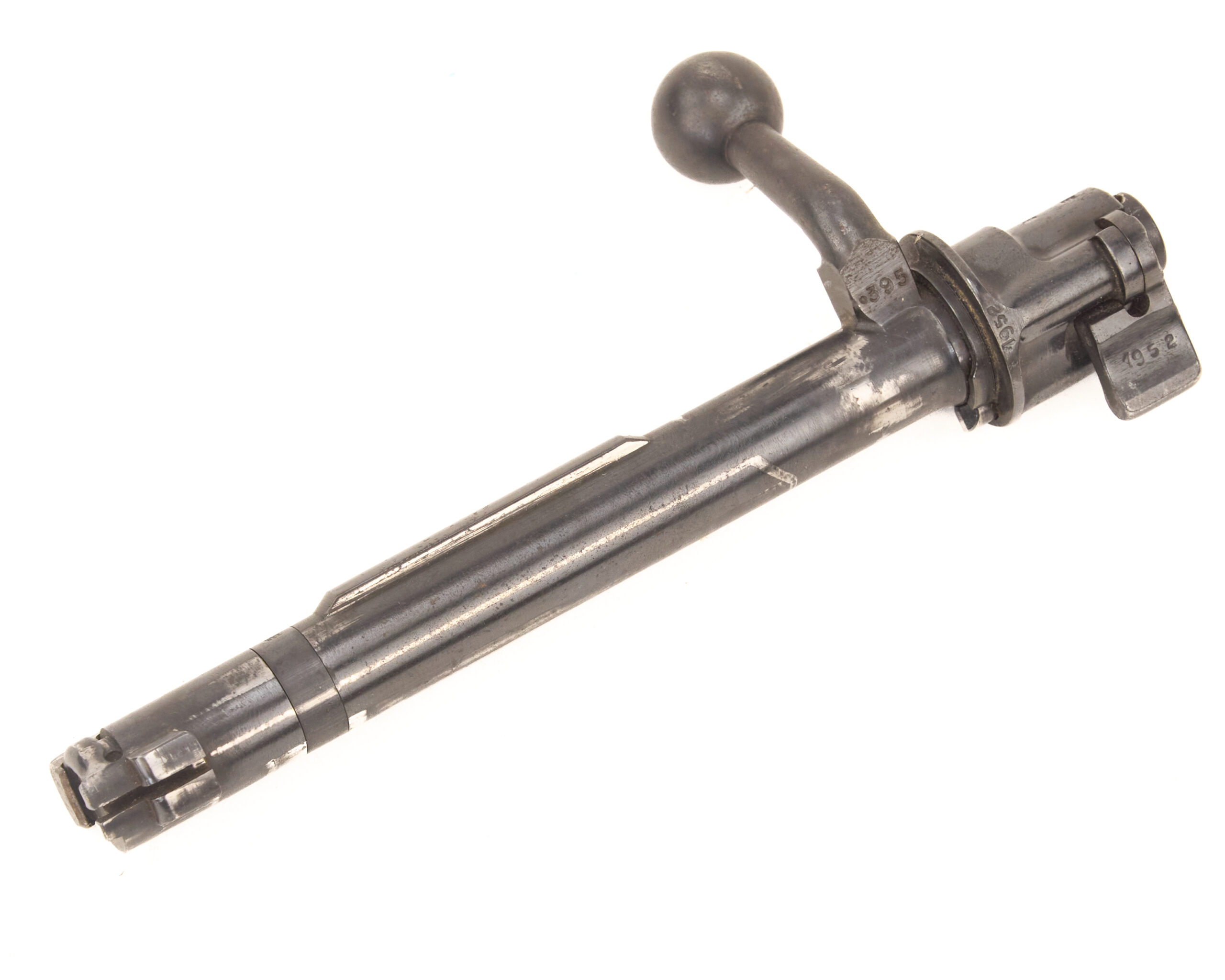
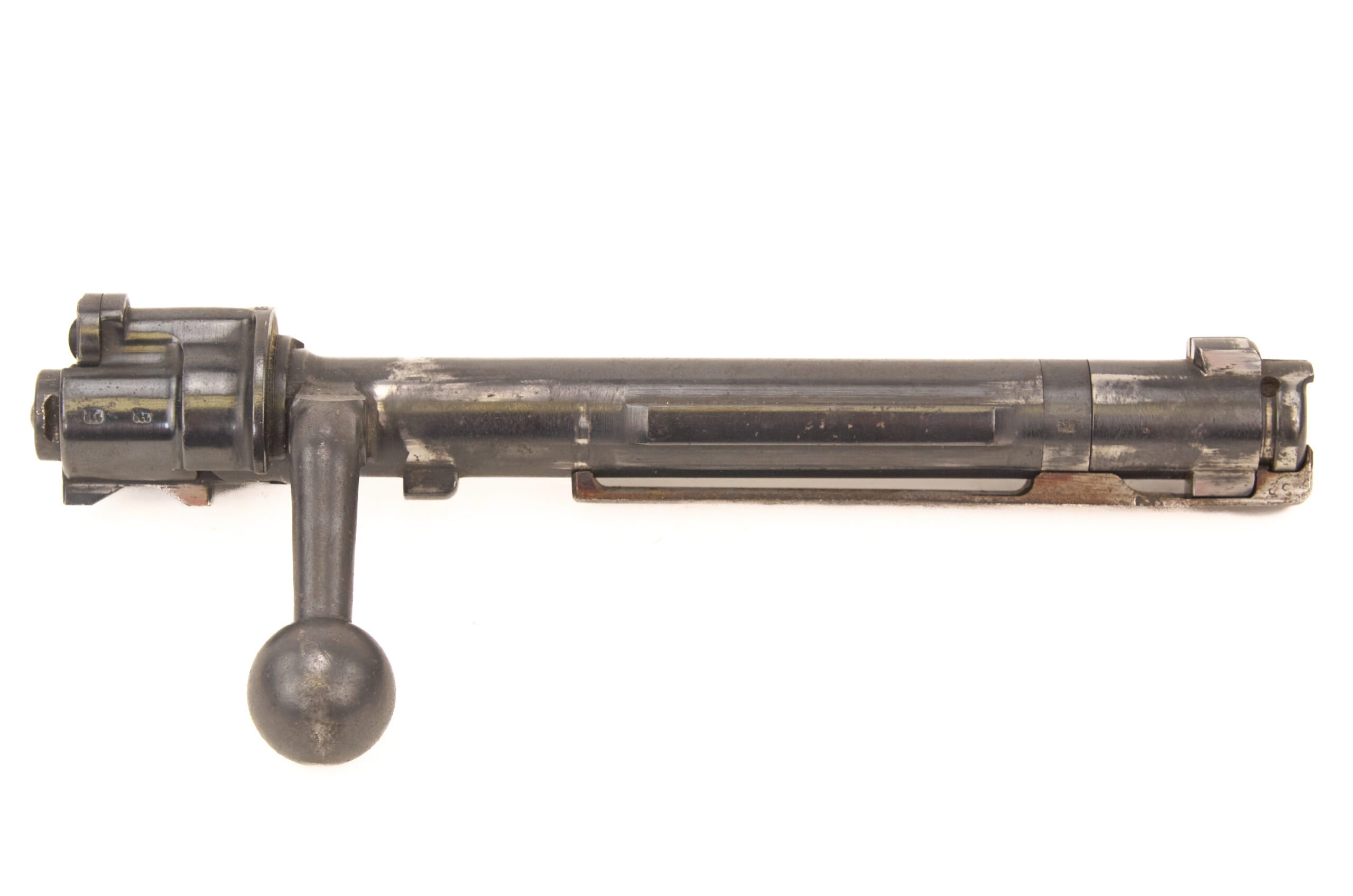
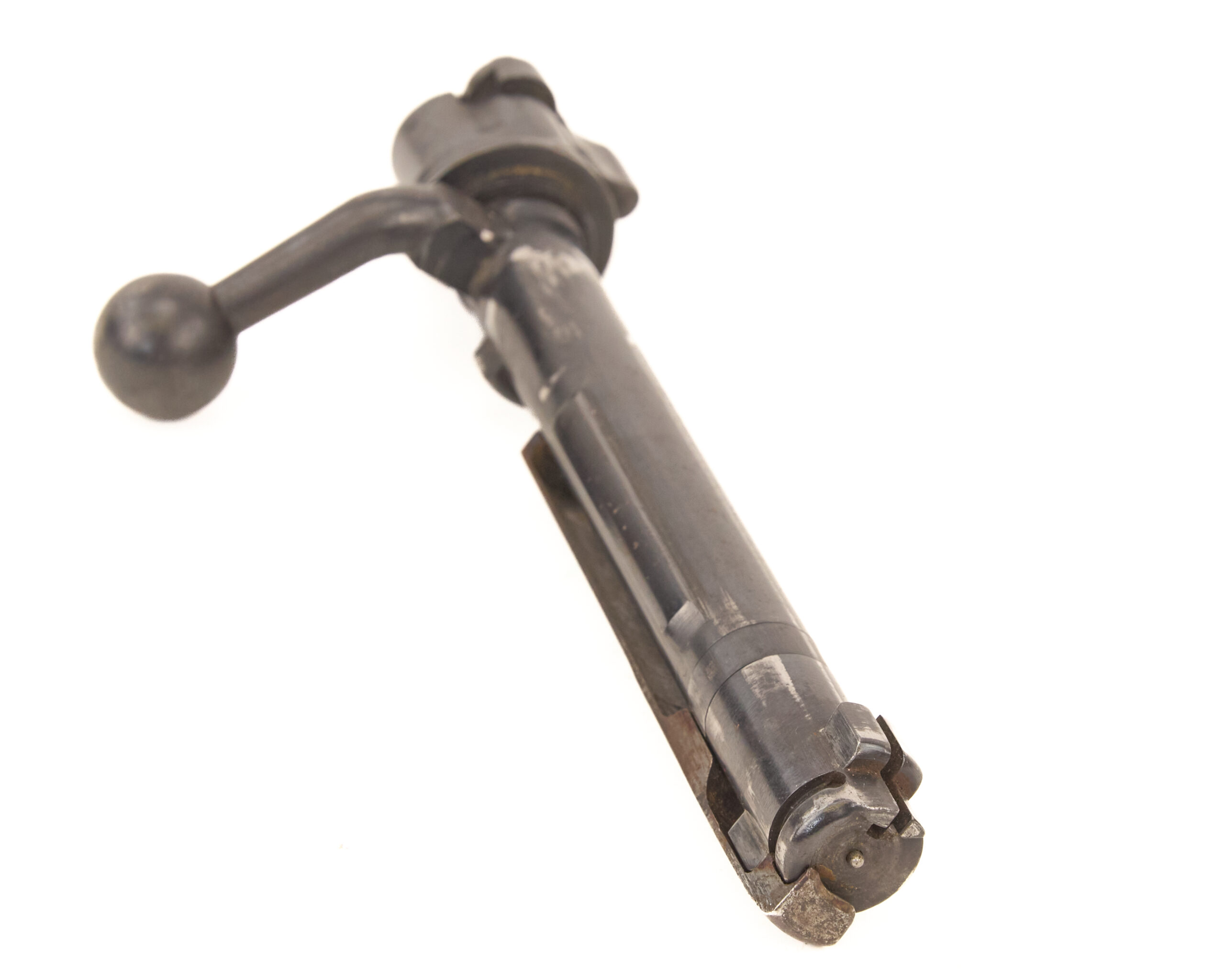
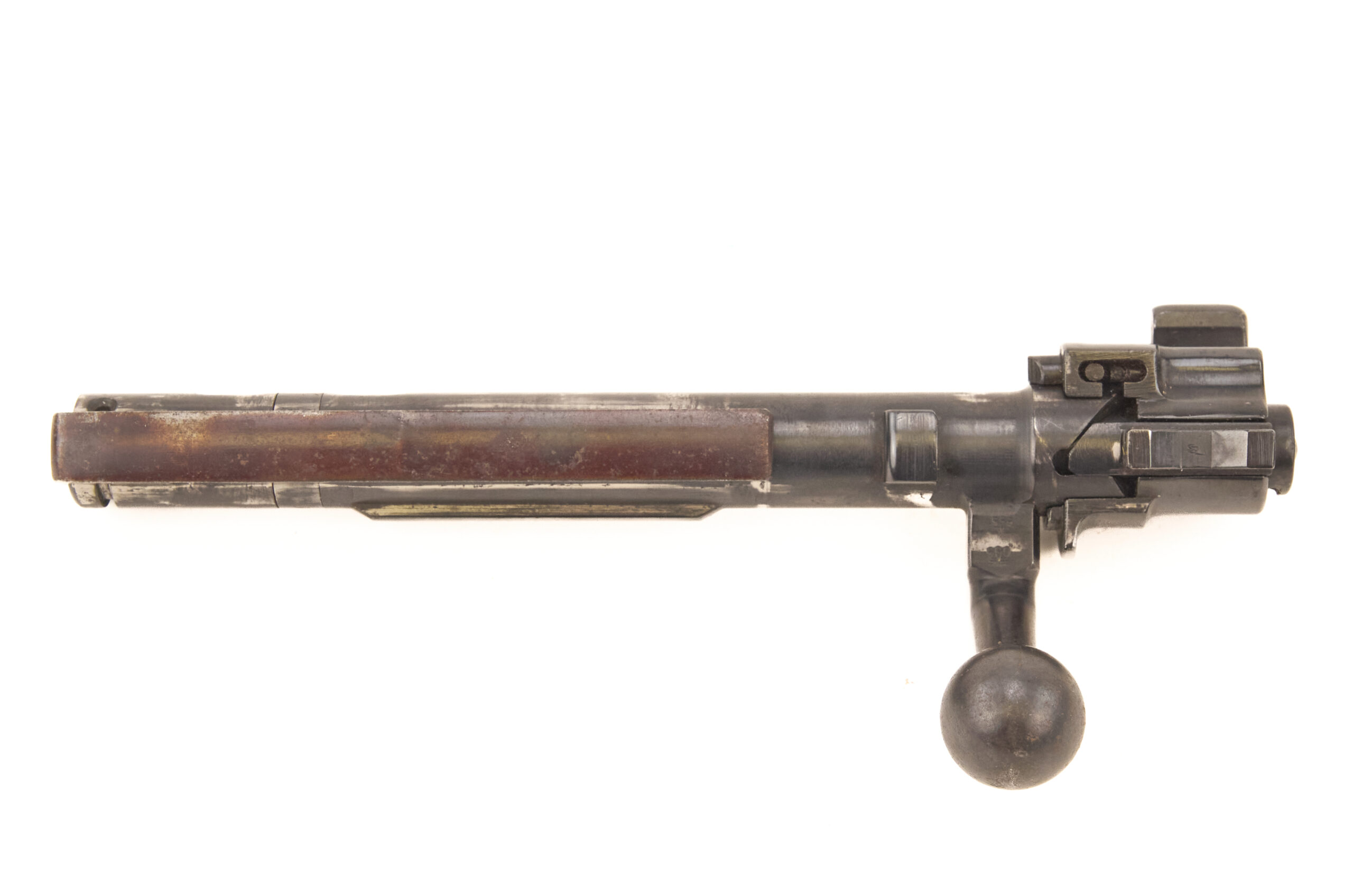
WWII Mauser K98k Bolt – Original Surplus Complete Bolt
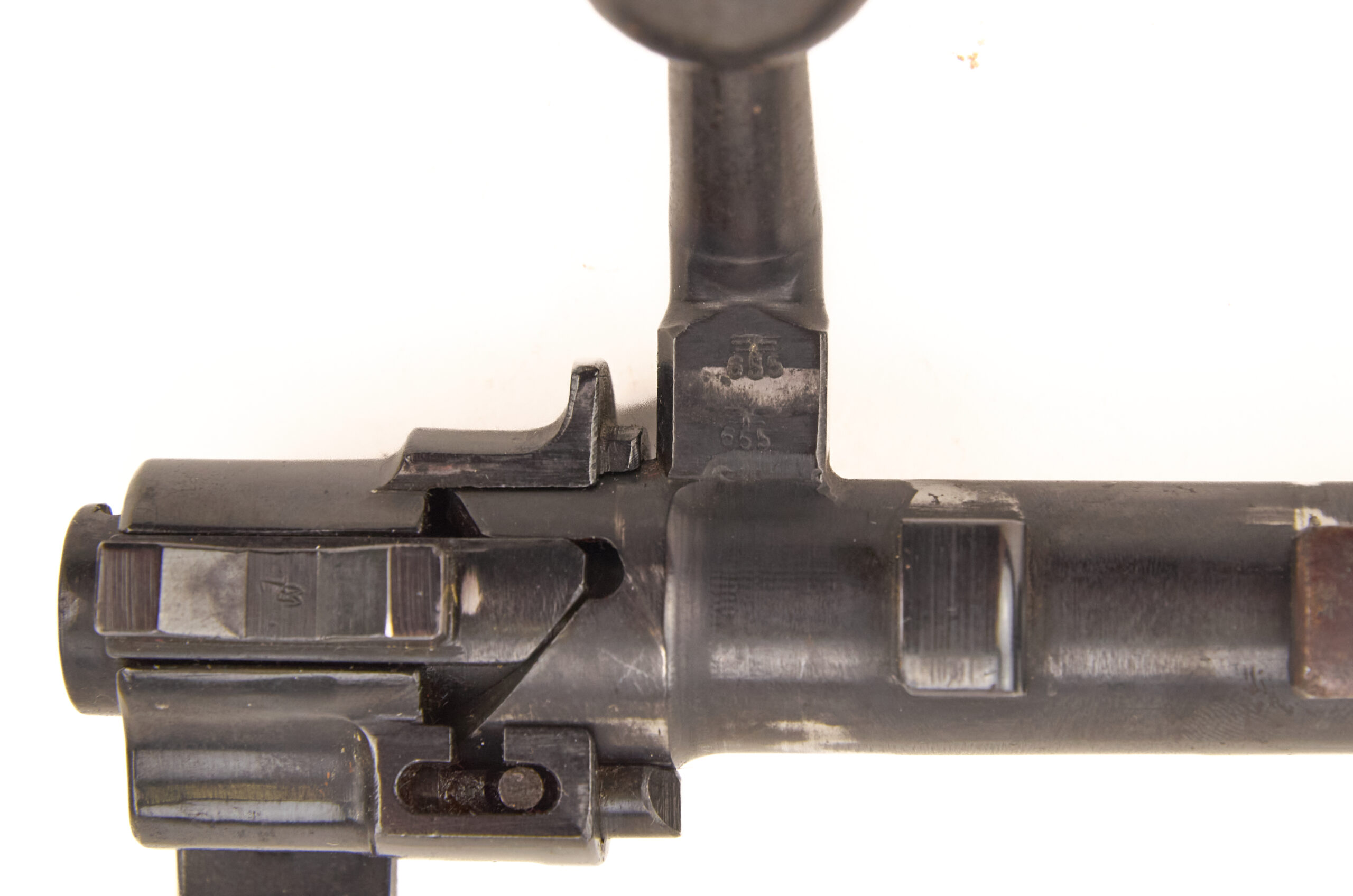
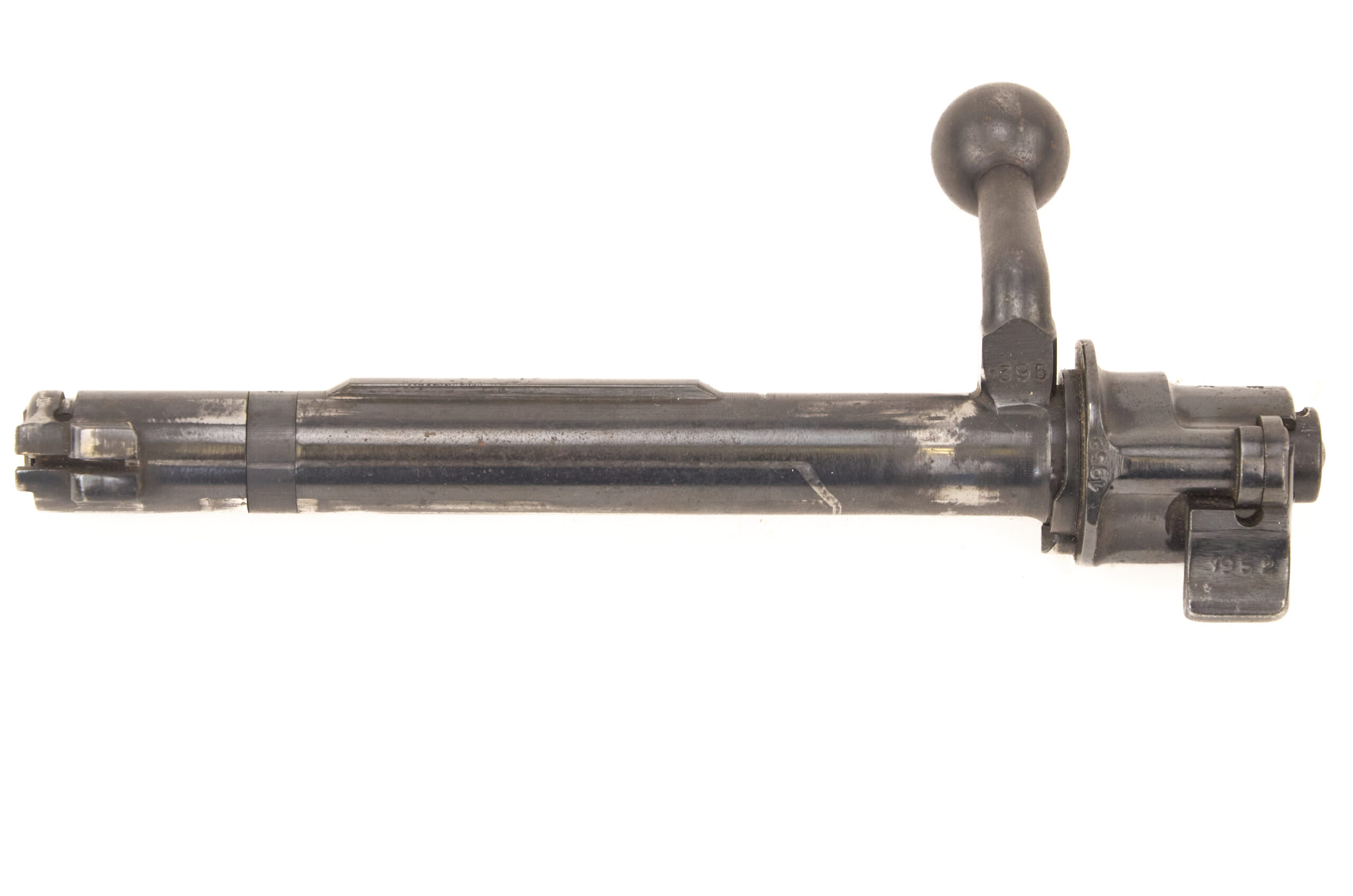
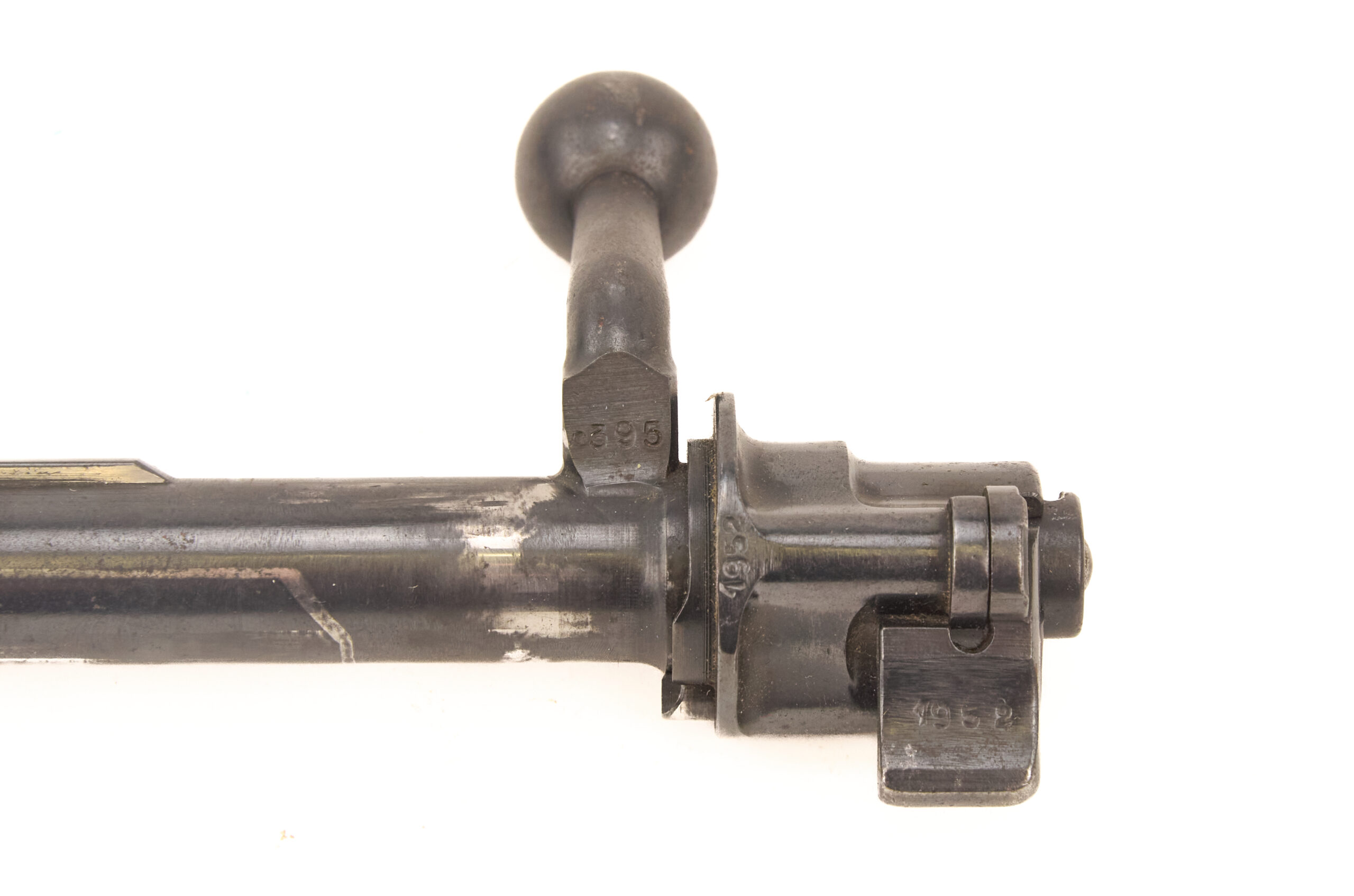
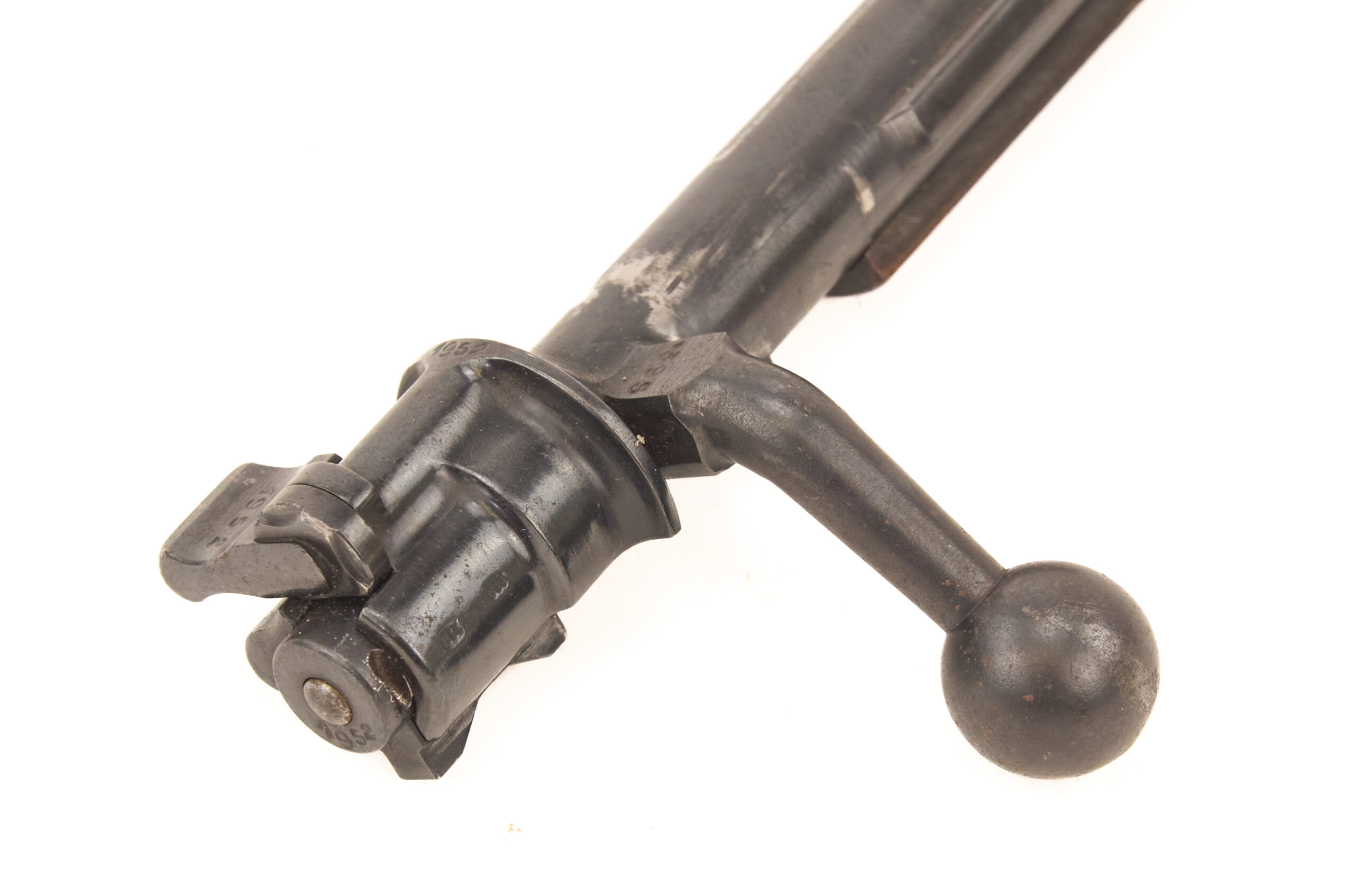
This WWII Mauser K98k bolt is a complete original surplus bolt in good condition, retaining its full assembly and showing the mixed-part character commonly seen on service-used replacement or depot-assembled components. It is non-matching, and various parts bear Waffenamt acceptance stamps, which add proper wartime military character and reinforce its identity as an original German service component rather than a postwar reproduction.
WWII Mauser K98k Bolt
A complete K98k bolt is one of the most recognizable and important mechanical assemblies on the rifle. In this case, the appeal lies less in matching numbers and more in originality, completeness, and visible wartime inspection marks. Non-matching bolts are a normal part of the surplus world, especially on rifles and parts that passed through wartime repair, postwar reissue, or later parts dispersal. That makes this a practical collector piece for a restoration, display, or study example.
Construction / Configuration / Pattern
This bolt is a complete Mauser K98k assembly and remains in good surplus condition overall. It retains the expected full bolt body and associated components, which is an important point since incomplete bolts are common on the secondary market. Various parts carry Waffenamt acceptance stamps, indicating wartime German military inspection and acceptance. The assembly is non-matching, which means the individual serialized parts do not remain together as originally numbered. Even so, the bolt still presents as a correct wartime surplus component with real service character.
Historical Context / Provenance / Development
The K98k bolt is central to what made the Mauser system so respected. German bolt-action service rifles built around the Mauser action earned their reputation through strength, reliability, and controlled-round feeding, and the bolt itself was at the center of that reputation. On the K98k, the bolt was not just a replaceable part in the modern commercial sense. It was a fitted and serialized component of the rifle, often numbered to the gun and inspected as part of military production.
That is why a non-matching bolt tells its own story. Matching parts appeal to collectors because they preserve a rifle as originally assembled. A non-matching bolt, however, often reflects something just as historically real: wartime service, armorer replacement, battlefield loss, postwar refurbishment, or later surplus mixing. In other words, mismatch does not automatically mean something is wrong with the part. Often it means the rifle system remained in use long enough for parts to be replaced or redistributed.
The Waffenamt stamps matter here as well. Those marks tie the component directly to German wartime production and inspection practice. For many collectors, those small acceptance marks are what move a surplus bolt from being merely functional to being historically interesting. They place the part back inside the military production system that created it and help connect it to the broader K98k story.
Condition
This example is in good condition overall. It is complete, which is one of its main strengths. The bolt shows the expected wear and finish character of an original surplus component, while various parts still retain visible Waffenamt acceptance stamps. The assembly is non-matching, but it remains a solid original wartime bolt with good collector and display value.
Explore More at Old Steel
Follow us on Instagram:
Old Steel Guns on Instagram