Description
K98k Bolt Assembly – Original Complete Surplus Bolt
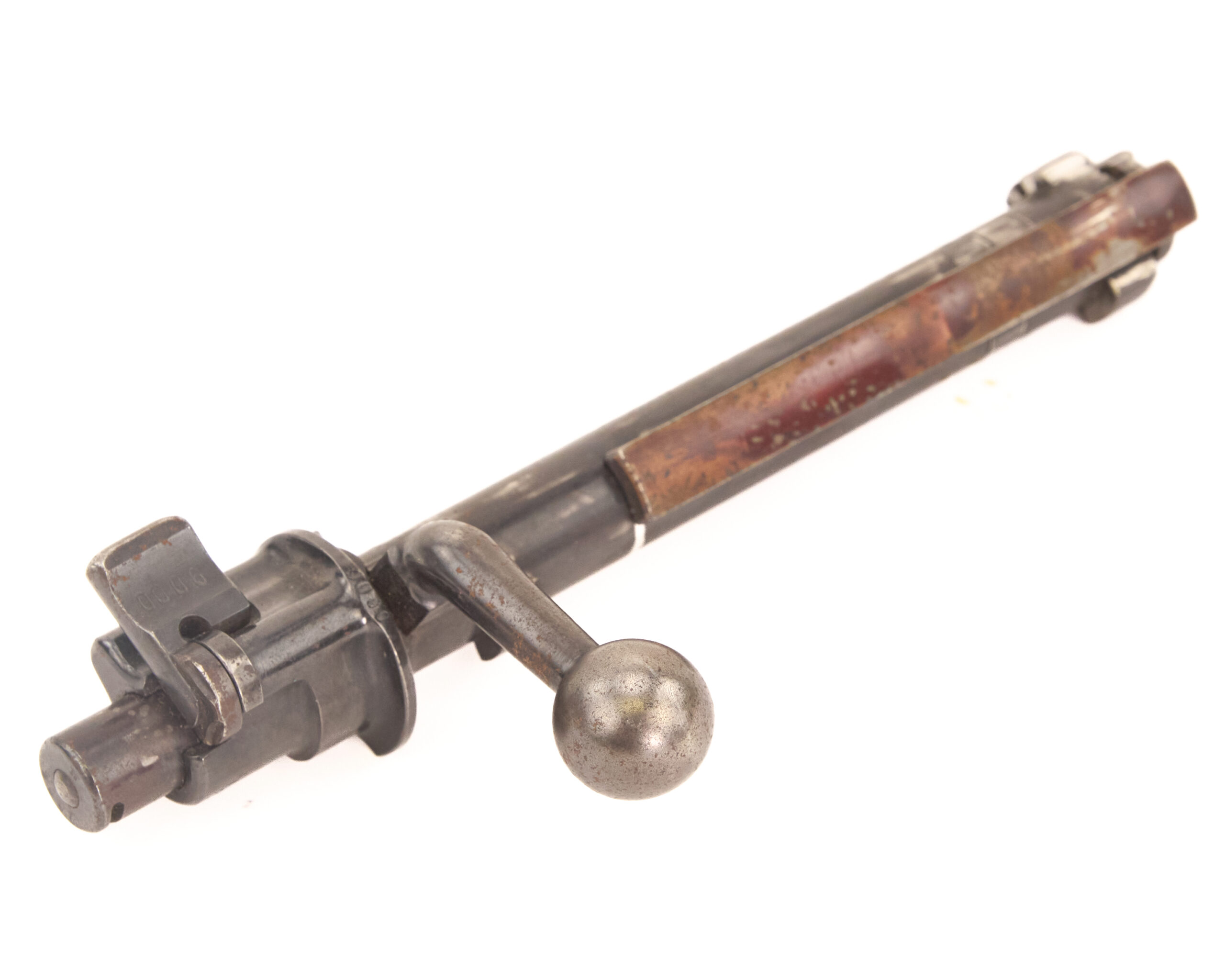
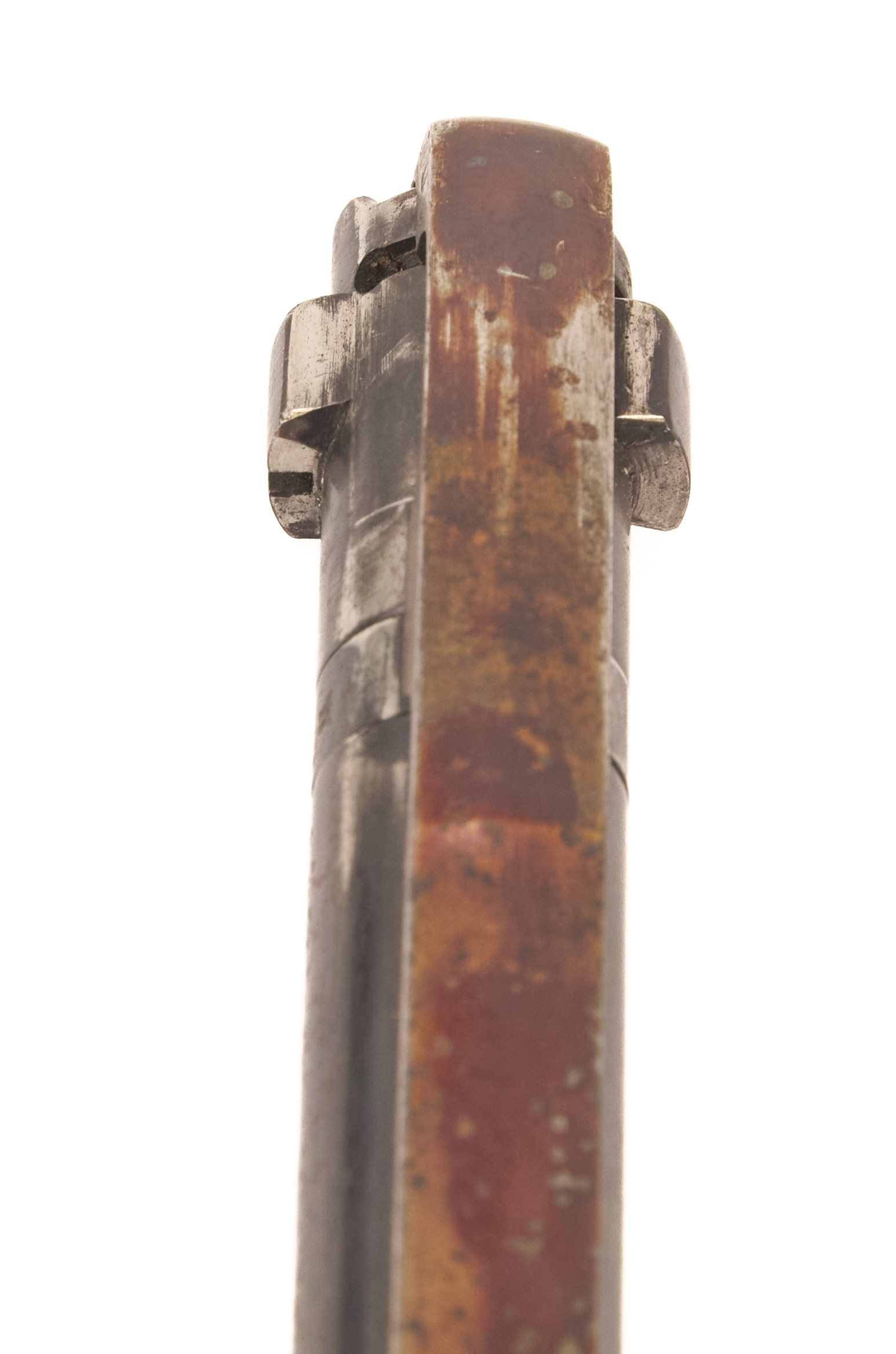
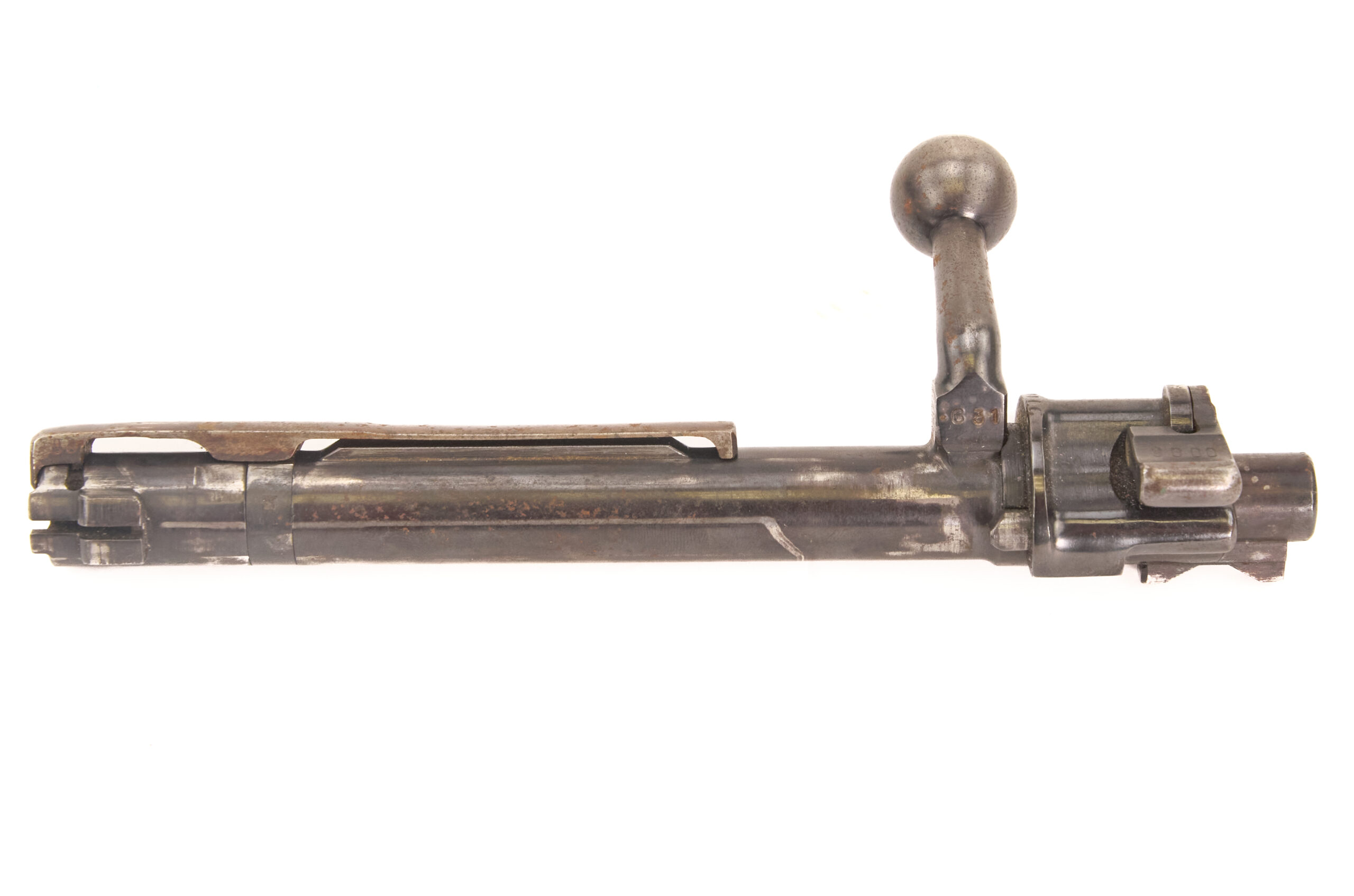
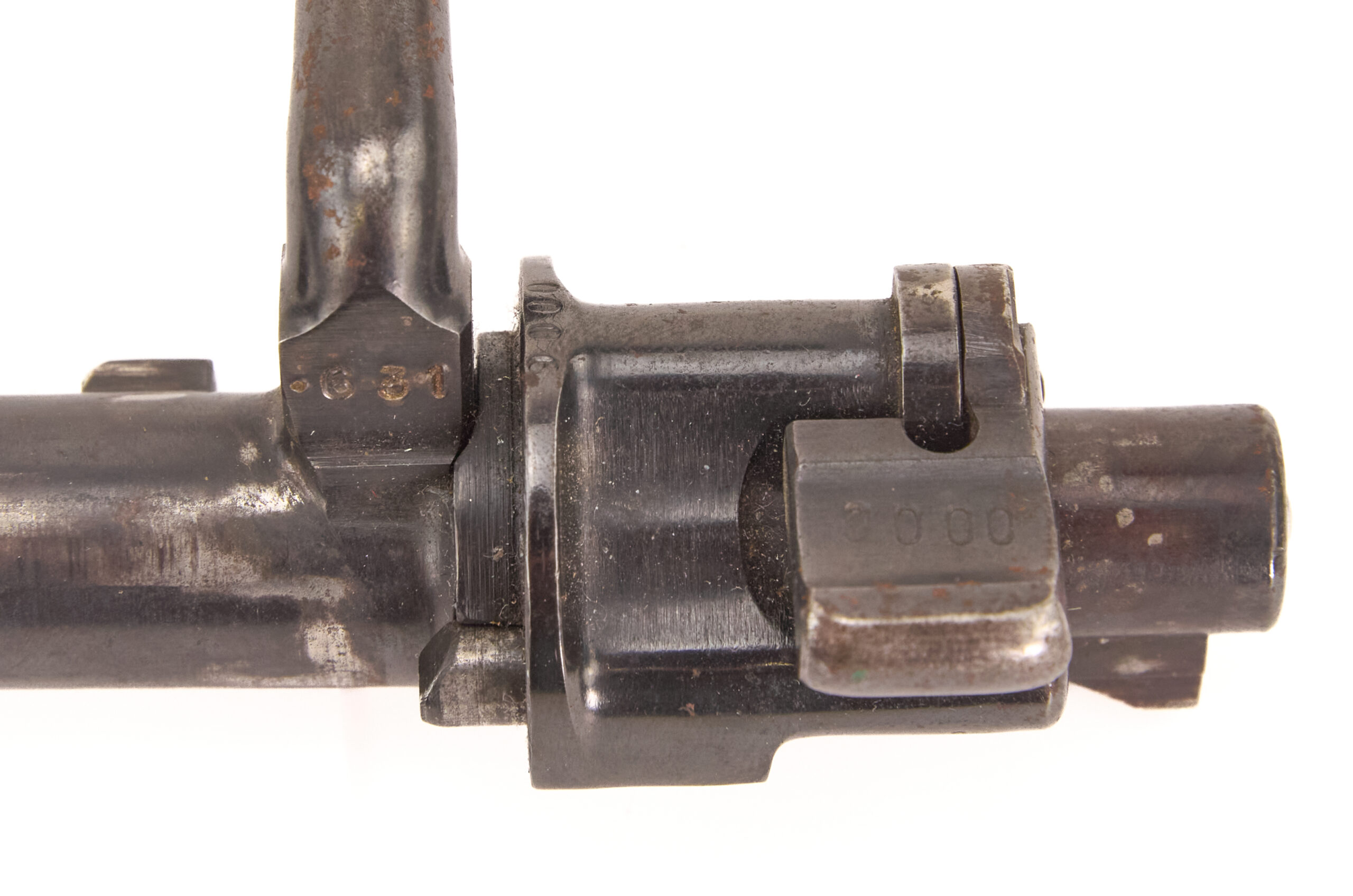
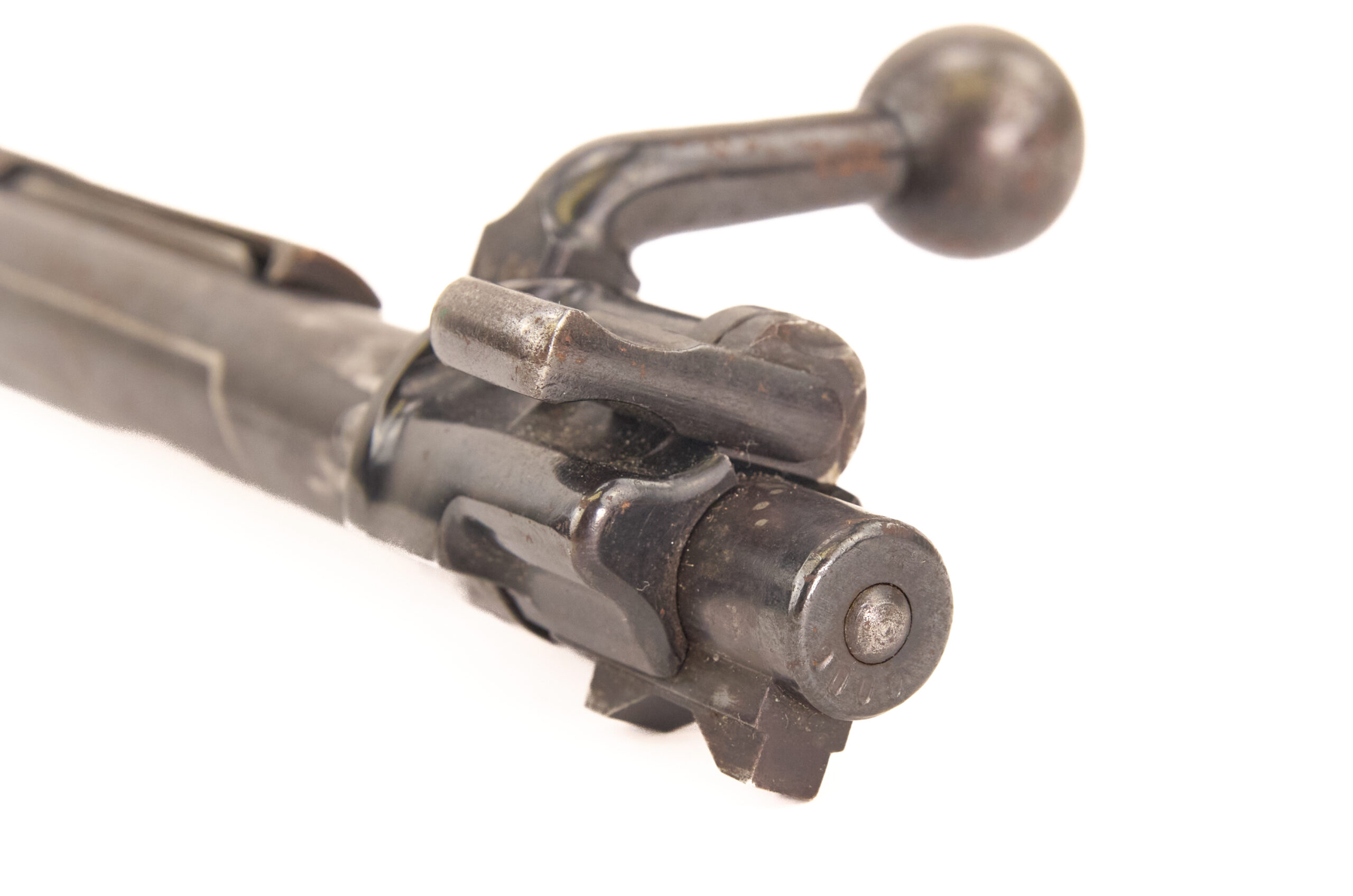
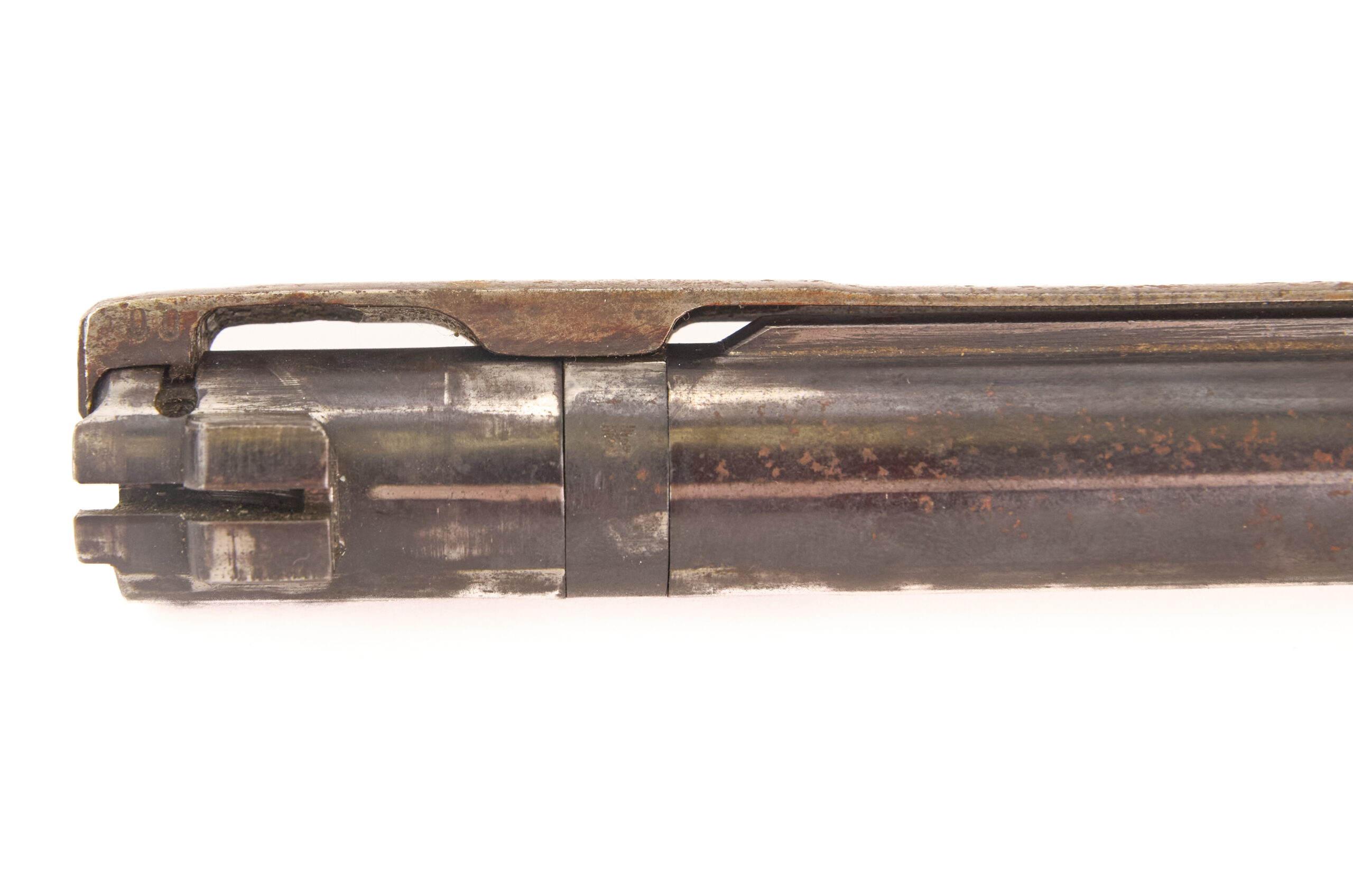
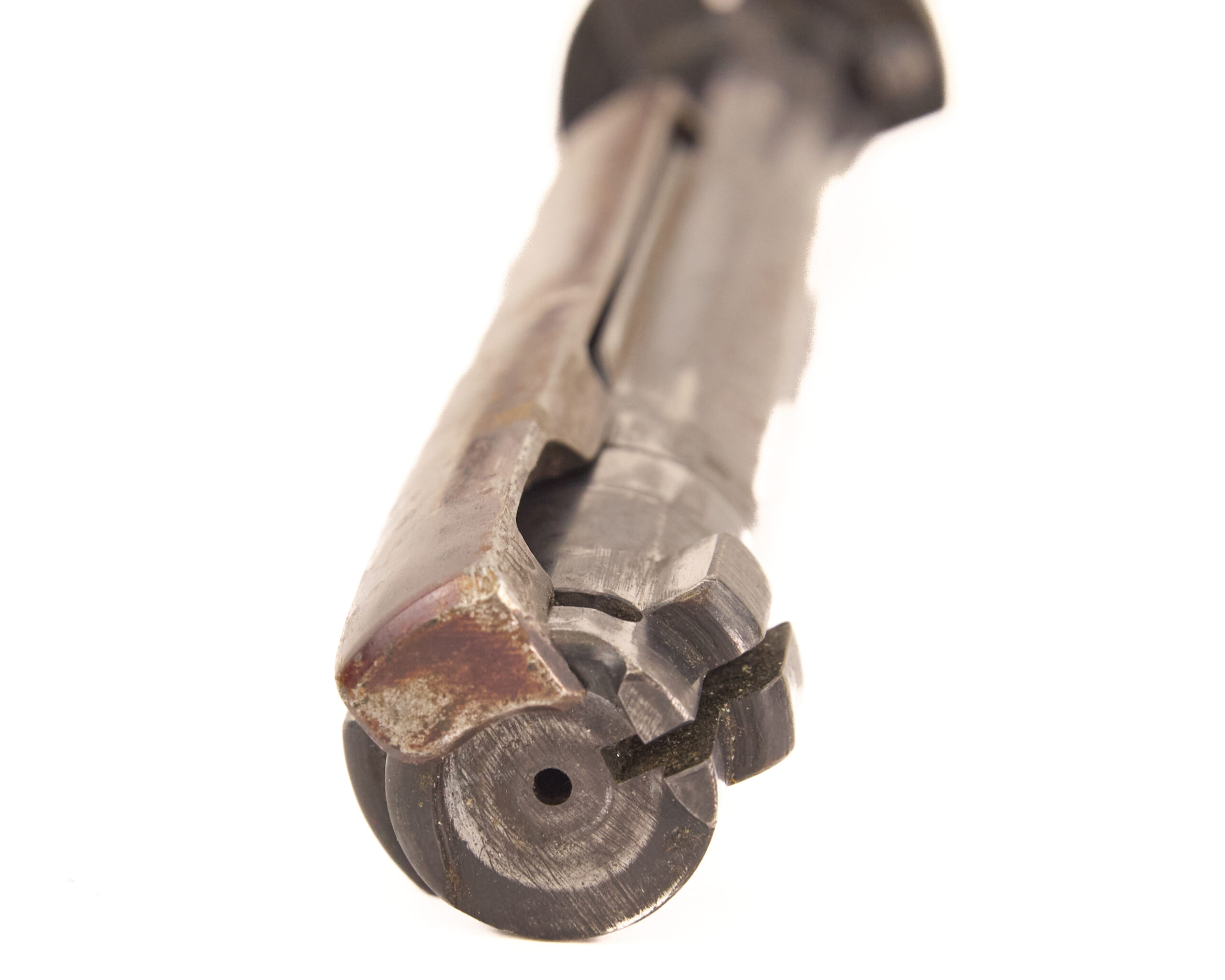
This K98k bolt assembly is a complete original surplus bolt in good condition, retaining the classic angled bolt handle and the mixed-part character often seen on wartime and postwar service components. It is non-matching, and multiple pieces bear Waffenamt acceptance stamps, which reinforce its identity as an original German military assembly rather than a later reproduction or assembled copy.
K98k Bolt Assembly
A complete K98k bolt is one of the most important mechanical assemblies on the rifle. In this case, the value lies in completeness, originality, and visible wartime inspection marks rather than in matching serial numbers. Non-matching bolts are a normal part of the surplus market, especially on rifles and assemblies that passed through wartime repair, arsenal work, or later parts redistribution. That makes this a useful piece for restoration, display, or study.
Construction / Configuration / Pattern
This assembly follows the standard K98k bolt pattern and retains the desirable angled bolt handle associated with the Karabiner 98k. It remains complete as a full bolt assembly rather than as a stripped or partial unit. Various components show Waffenamt acceptance stamps, which indicate wartime German military inspection and acceptance. The bolt is non-matching, meaning the numbered parts do not remain together as originally serialized, but it still presents as a correct surplus assembly with clear service character.
Historical Context / Provenance / Development
The K98k bolt sits at the center of what made the Mauser system so respected. German military Mausers built their reputation on strength, reliability, and controlled-round feeding, and the bolt assembly was fundamental to all three. On the K98k, the bolt was not just another replaceable part. It was a fitted military component, often serialized to the rifle and inspected within the broader wartime production system.
That is why a non-matching assembly still tells an important story. Matching parts appeal to collectors because they preserve the rifle as originally assembled. A non-matching bolt, however, often reflects something just as real from a military standpoint: replacement after damage, armorer-level interchange, depot repair, postwar refurbishment, or later surplus mixing. In other words, mismatch is part of the real service life of many surviving Mauser components.
The Waffenamt markings matter as well. Those small acceptance marks tie the assembly directly to German wartime production and inspection practice. For many collectors, they are what transform a mechanically useful part into a historically interesting one. Combined with the proper angled handle and complete configuration, they give the assembly the right look for a genuine K98k surplus component.
Condition
This example is in good surplus condition overall. It is complete, which is one of its main strengths. The bolt retains its angled handle and shows the expected service character of an original surplus assembly. The non-matching numbered parts and visible Waffenamt acceptance stamps fit the piece well and support its identity as an authentic wartime military bolt.
Explore More at Old Steel
Follow us on Instagram:
Old Steel Guns on Instagram